Getting around Bangkok starts with choosing the right system: BTS for its elevated rail corridors, MRT for its own lines and boats for selected riverside journeys. They do not share one universal visitor ticket. Plan the route and payment together so a convenient-looking interchange does not become a surprise.
Choose your route before buying a pass. BTS, MRT, airport rail and boats have different payment rules; one transport card should not be assumed to cover them all.
BTS and MRT in Bangkok: do you need different tickets?
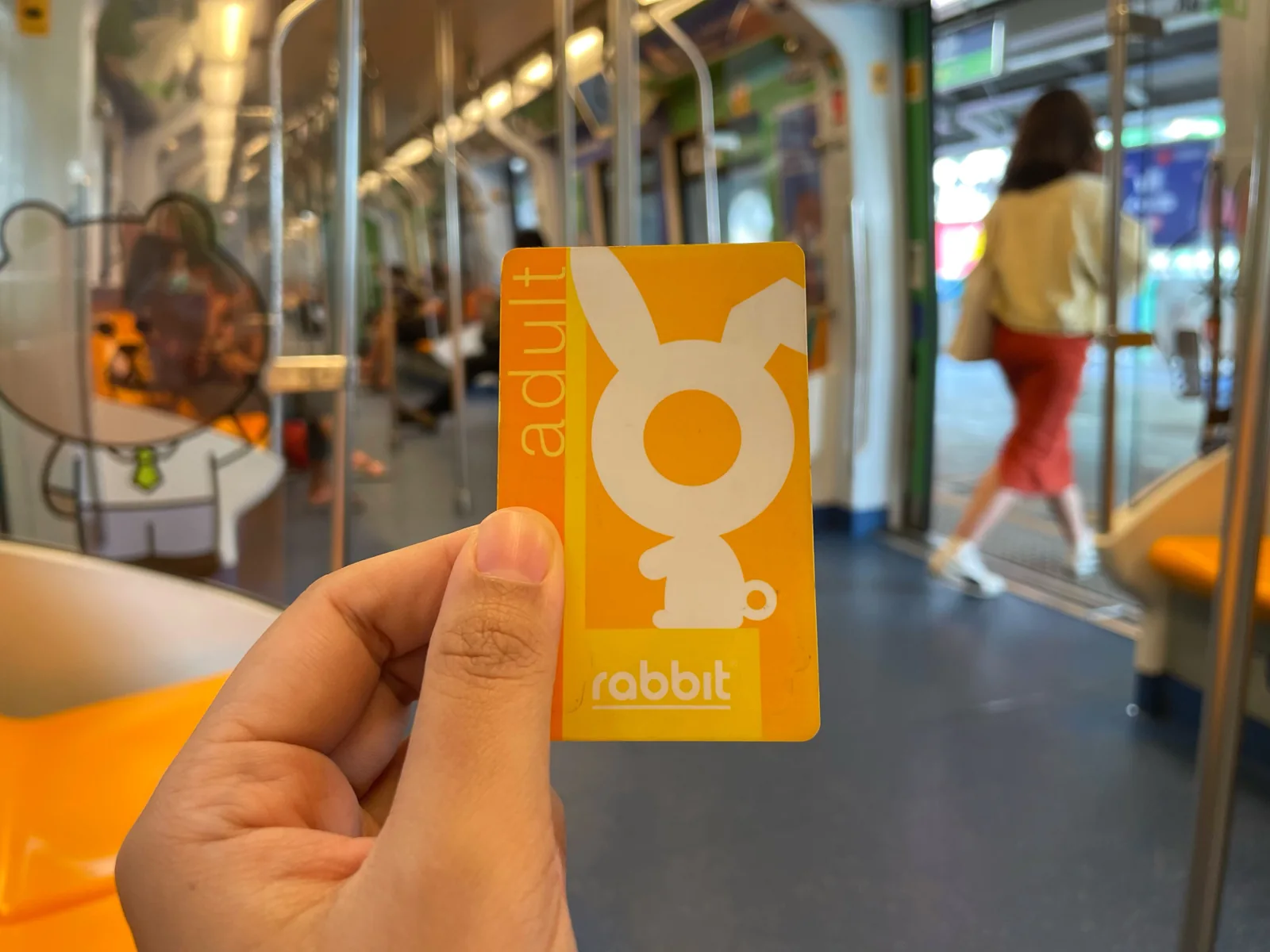
Treat a BTS-to-MRT change as a change of ticket system. BTS lists single-journey tickets, one-day passes and Rabbit products. BEM separately documents accepted contactless cards for the MRT Blue and Purple lines. Do not assume a BTS pass or Rabbit balance pays for every rail line in Bangkok.
On the Blue and Purple lines, BEM accepts the listed contactless credit-card schemes, including eligible international cards; its debit-card list is more restricted. Check your exact card against the operator’s list. Present only one accepted card at the marked gate for entry and exit, and keep another payment option available.
Compare Bangkok transport cards and payment methodsBuild a Bangkok day around one transport corridor
Our suggested first-day approach is to choose either a central rail-based outing or a riverside outing as the main block. Put lunch near that block, then add one optional stop. A plan that alternates between shopping districts and riverside temples can spend much of the day on connections.
Before a boat journey, check the service name, pier and return departure. A sightseeing boat pass and a local crossing serve different purposes. Save a land-based return option if dinner could finish after the boat service you selected.
Keep airport travel separate until you know whether you land at Suvarnabhumi or Don Mueang. Include the walk between any interchange stations and the last leg to the hotel; a rail-only fare does not describe the complete trip for a hotel away from a station.
Choose Bangkok sights before planning the journeysWhich transport should you use?
| Transport | Useful for | How to ride |
|---|---|---|
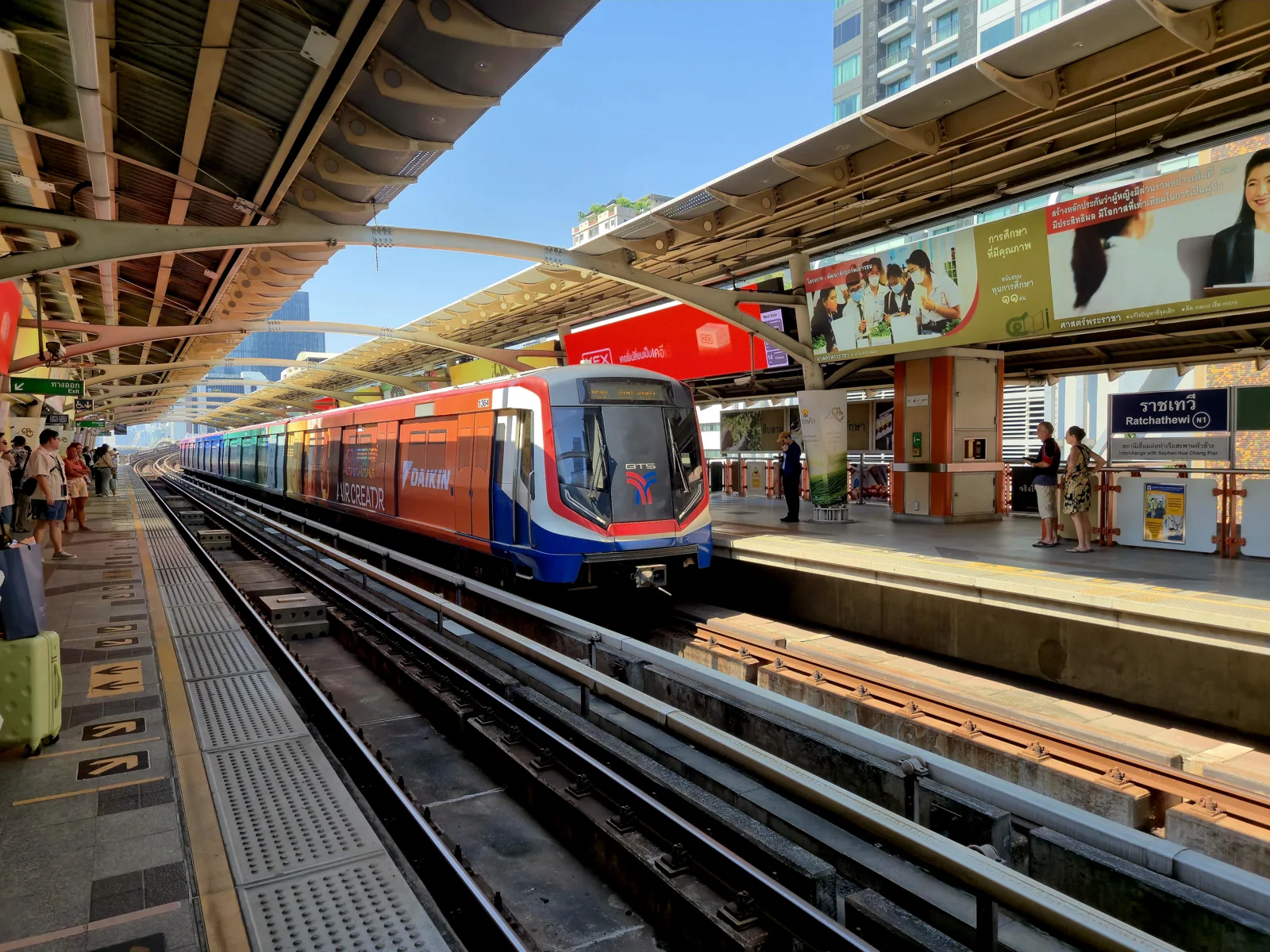
| BTS Skytrain | Sukhumvit, Siam and Silom-area connections | Use a valid single-journey ticket or Rabbit product and follow the line direction. |
| MRT | Underground and other rail corridors | Check the line’s payment rules; do not assume a BTS card works everywhere. |
| Airport Rail Link | A rail option from Suvarnabhumi | Allow for the interchange and final trip to your hotel. |
| River boats and cross-river ferries | Riverside temples and local crossings | Choose the pier, route and flag or service type before paying. |
| Taxi and tuk-tuk | A short connection or route beyond rail | Agree the appropriate fare arrangement before travelling; road traffic can dominate the journey. |
First services, last departures and late returns
BTS publishes station and ticket-office service hours around 06:00–24:00, with last departures depending on the station. MRT, airport rail and boats have their own schedules. A late dinner by the river needs a return plan that does not assume daytime boat service continues.
Getting from the airport or terminal
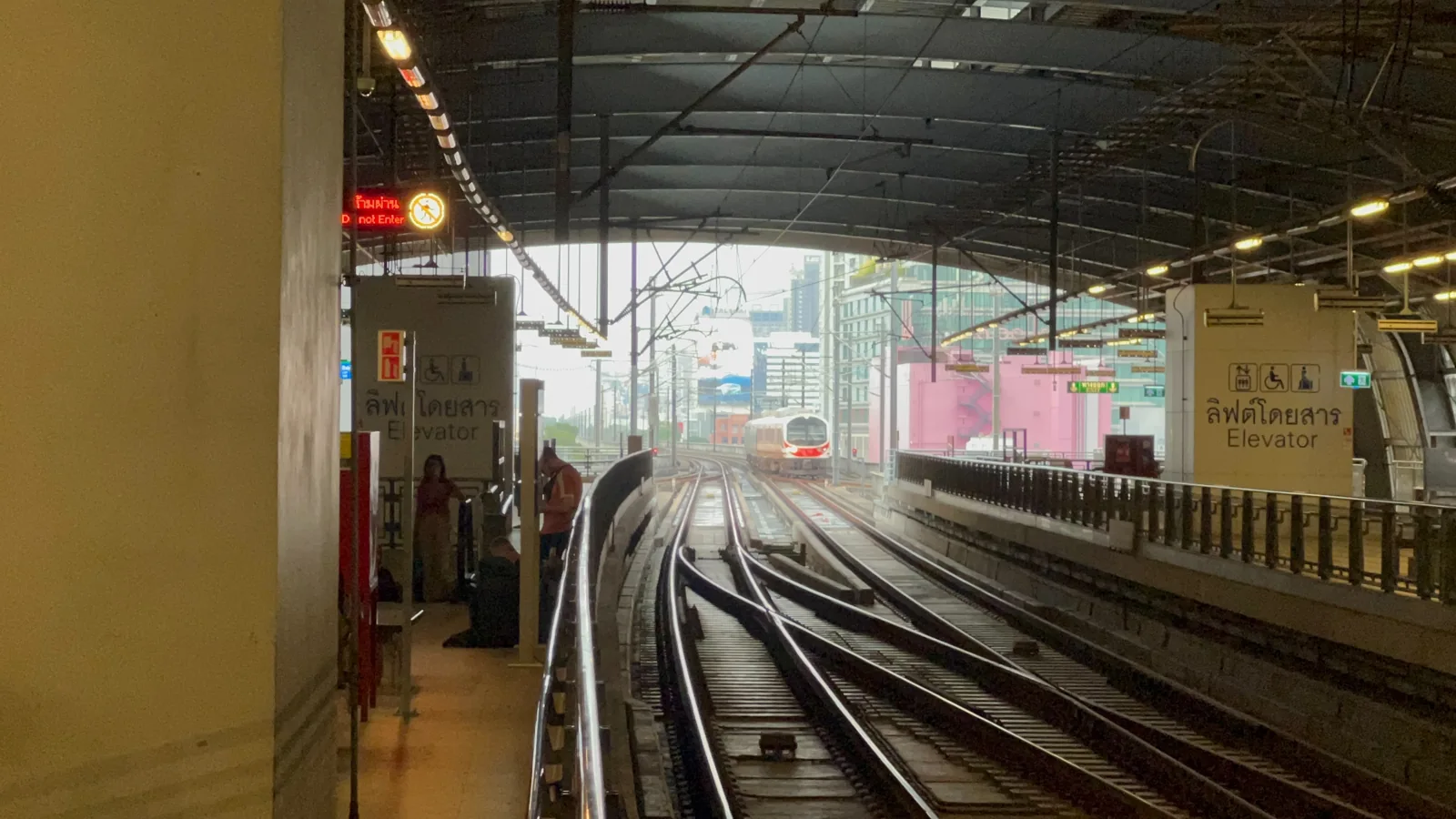
Suvarnabhumi and Don Mueang are different airports. Compare the airport’s actual rail or bus connection with the hotel’s location. A riverside or old-town hotel may require more changes than a hotel directly beside a rail station.
Build a route that saves backtracking
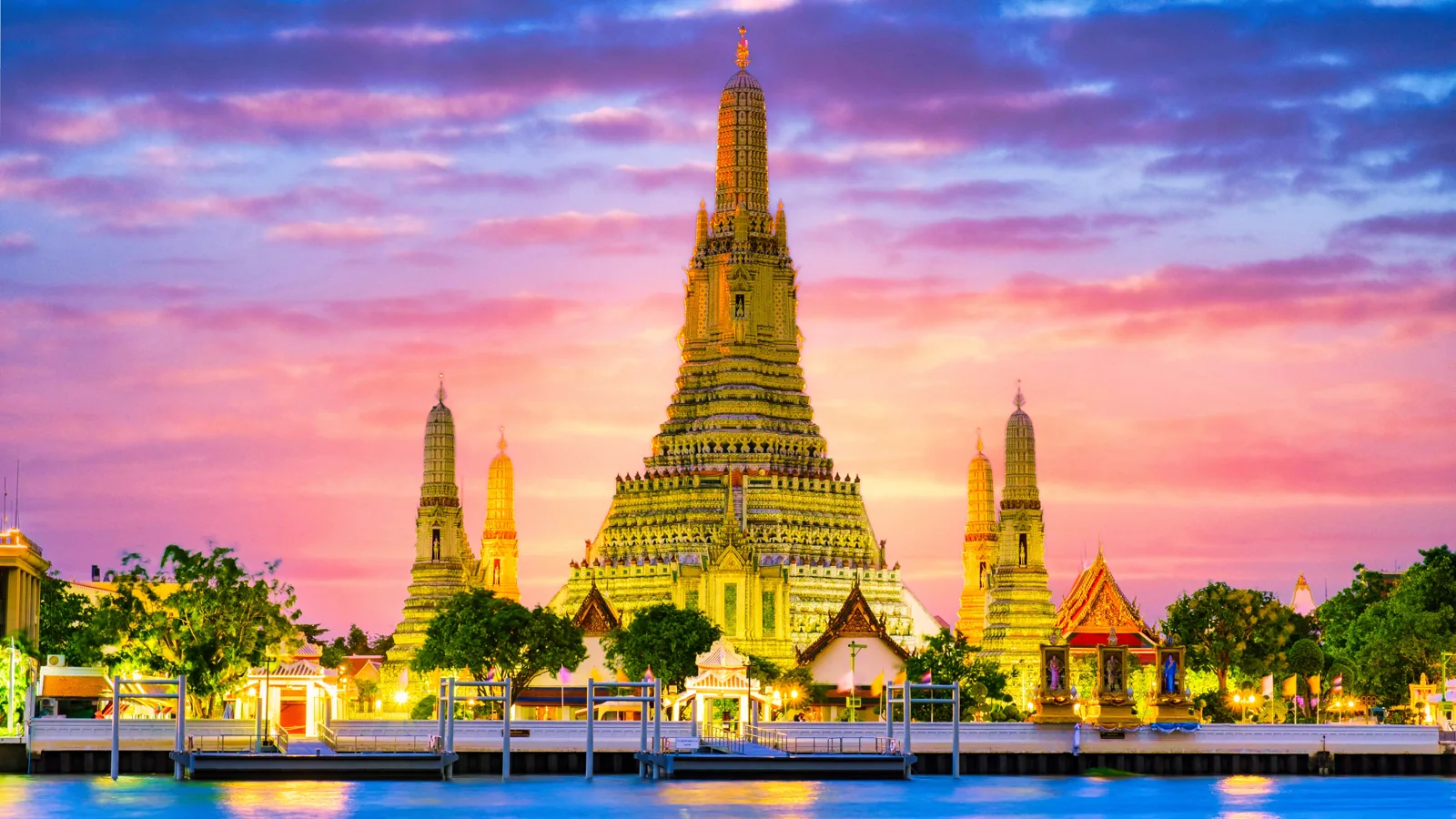
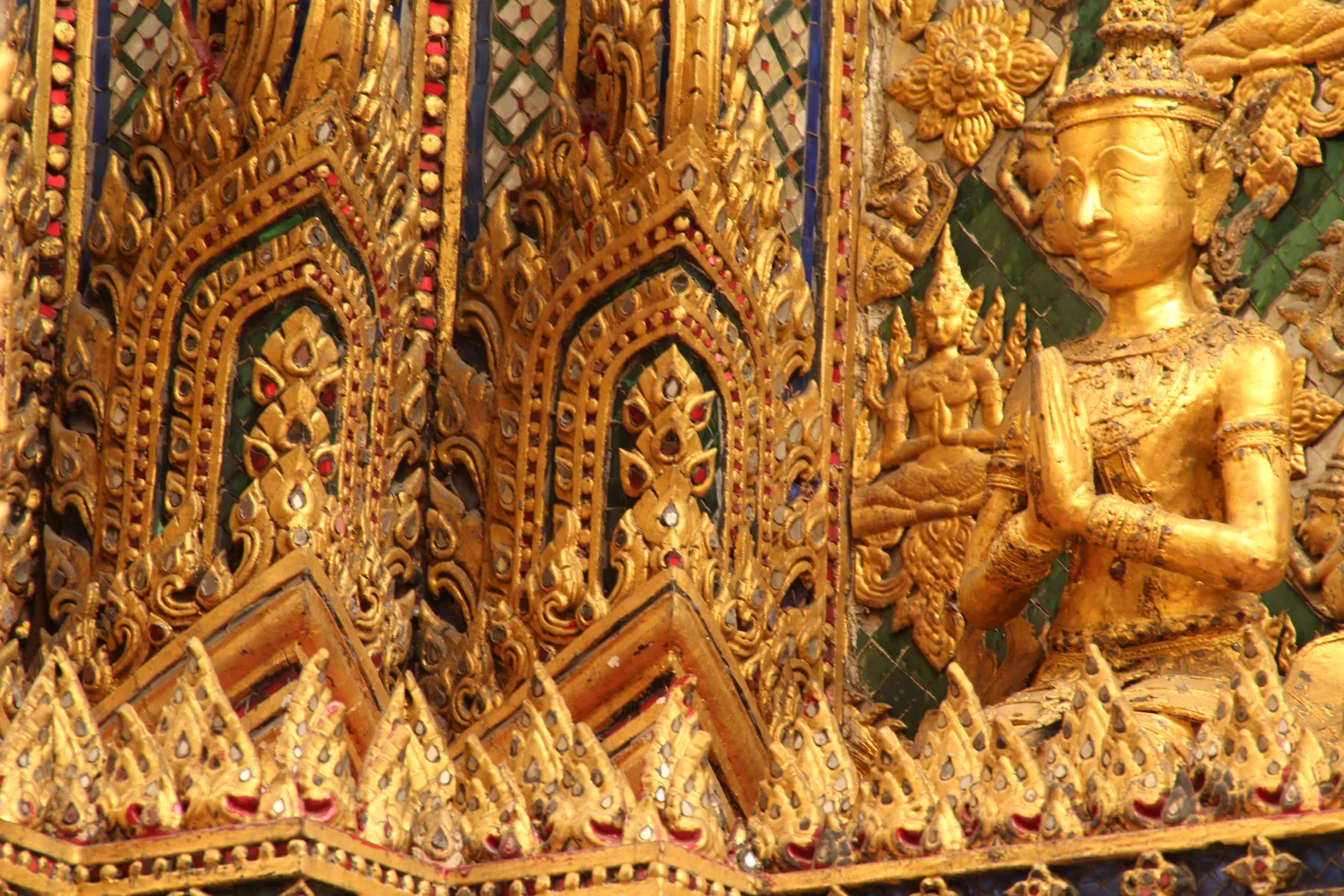
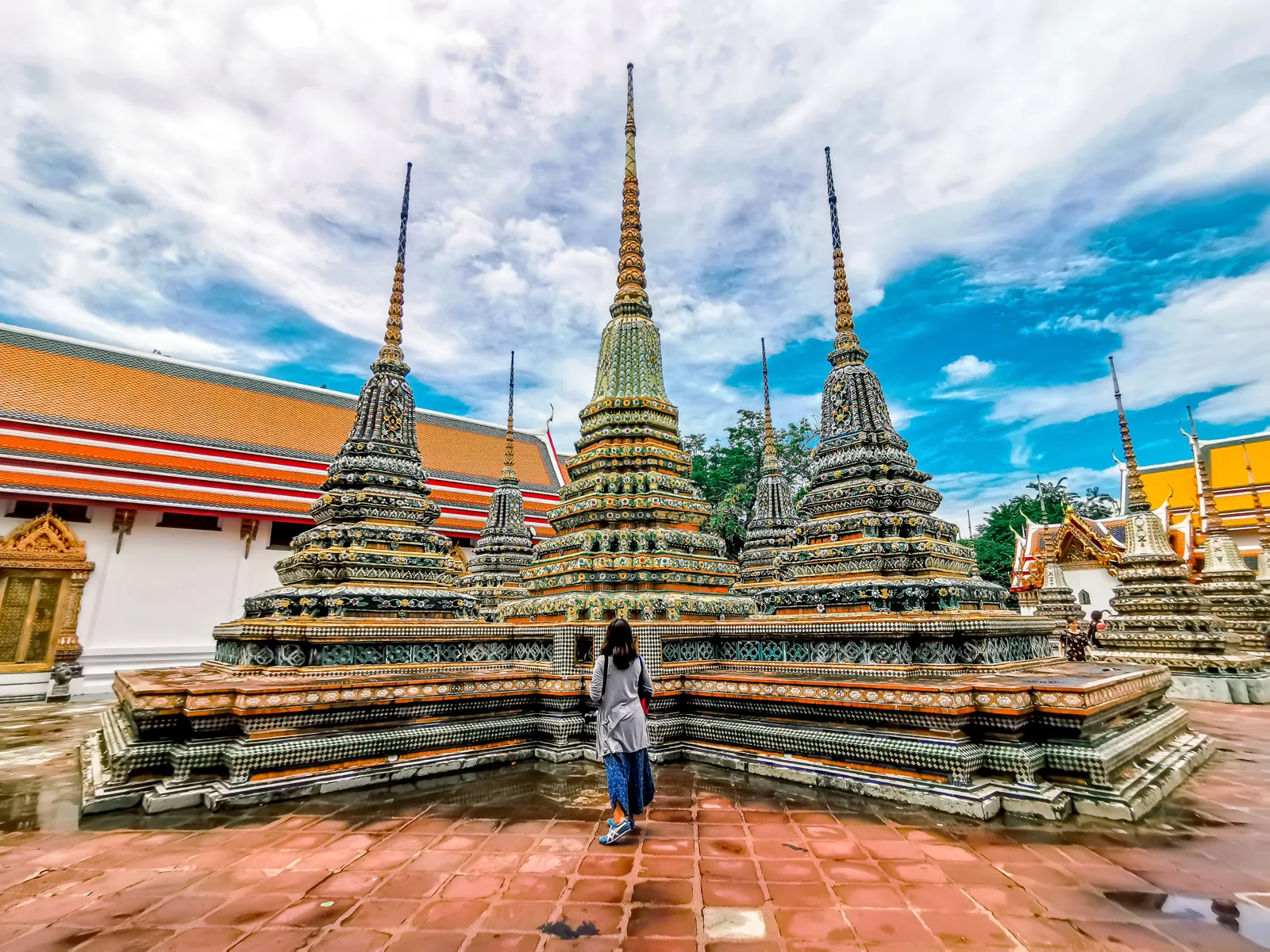
Group the Grand Palace, Wat Pho and river crossing on a historic-city day, then keep Siam or Sukhumvit for another block. For Damnoen Saduak or Maeklong, compare a separate day excursion and its driving time rather than treating the markets as central Bangkok stops.
Keep these places for later
How to get around Bangkok: common questions
Can I use Rabbit on every Bangkok train?
Do not treat Rabbit as a universal Bangkok rail ticket. Check the operator and line: BTS and the MRT Blue/Purple contactless system have different payment arrangements.
Can foreign visitors pay for Bangkok MRT with a bank card?
BEM lists eligible contactless credit cards, including international issuers, for Blue and Purple lines. Debit eligibility is more limited. Check the exact card and use the marked reader at entry and exit.
What is the best way to get around Bangkok?
BTS Skytrain is useful for sukhumvit, Siam and Silom-area connections. Bangkok’s transport is a collection of useful systems rather than one universal tourist network.
Does public transport in Bangkok run all night?
BTS publishes station and ticket-office service hours around 06:00–24:00, with last departures depending on the station. MRT, airport rail and boats have their own schedules. A late dinner by the river needs a return plan that does not assume daytime boat service continues.
How should I plan the airport or arrival transfer in Bangkok?
Suvarnabhumi and Don Mueang are different airports. Compare the airport’s actual rail or bus connection with the hotel’s location. A riverside or old-town hotel may require more changes than a hotel directly beside a rail station.
Written for planning, with official visitor information linked where relevant. Suggested routes and time allowances are editorial recommendations. Check current entry rules, opening notices and ticket conditions before booking. Read how we prepare and update our guides.