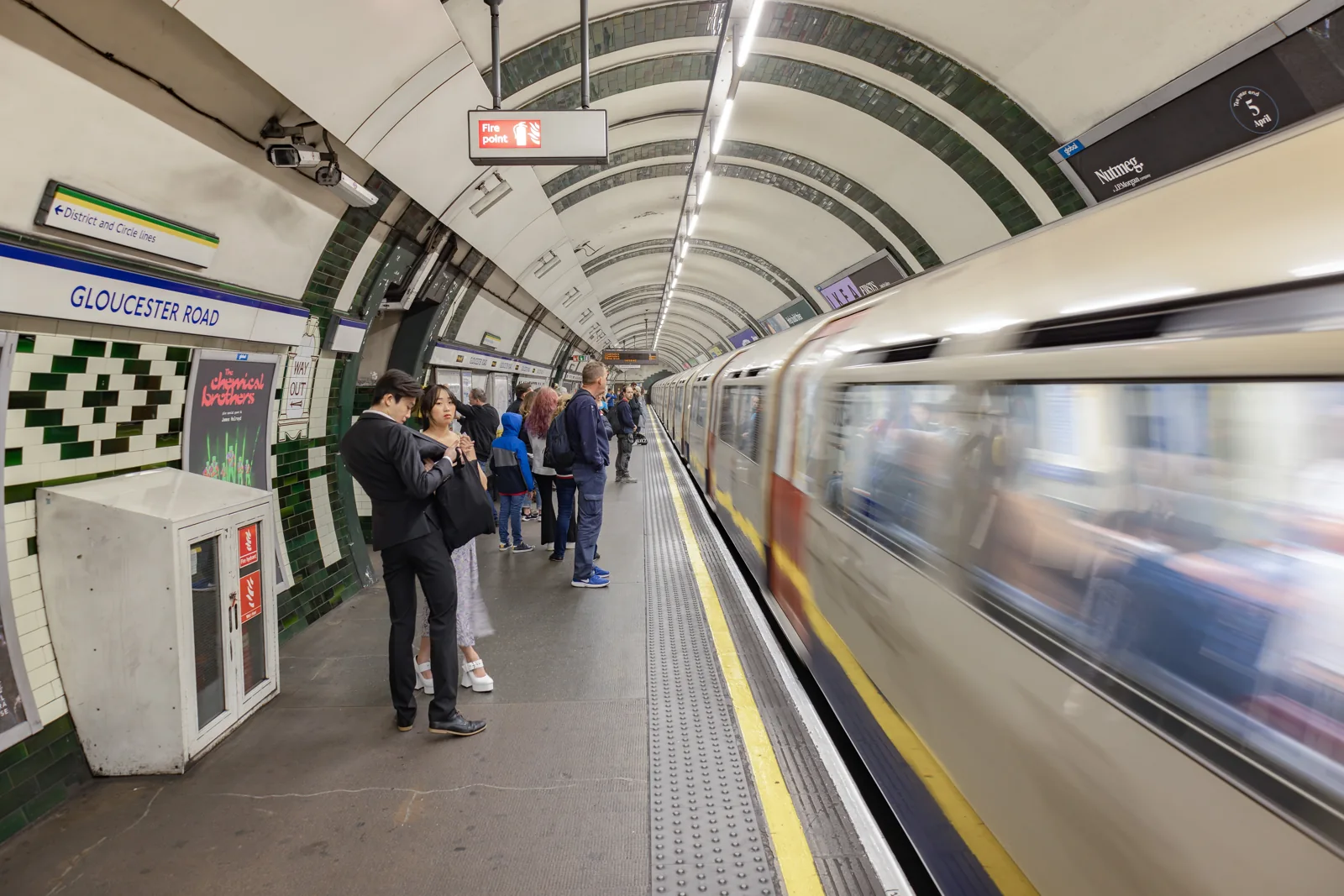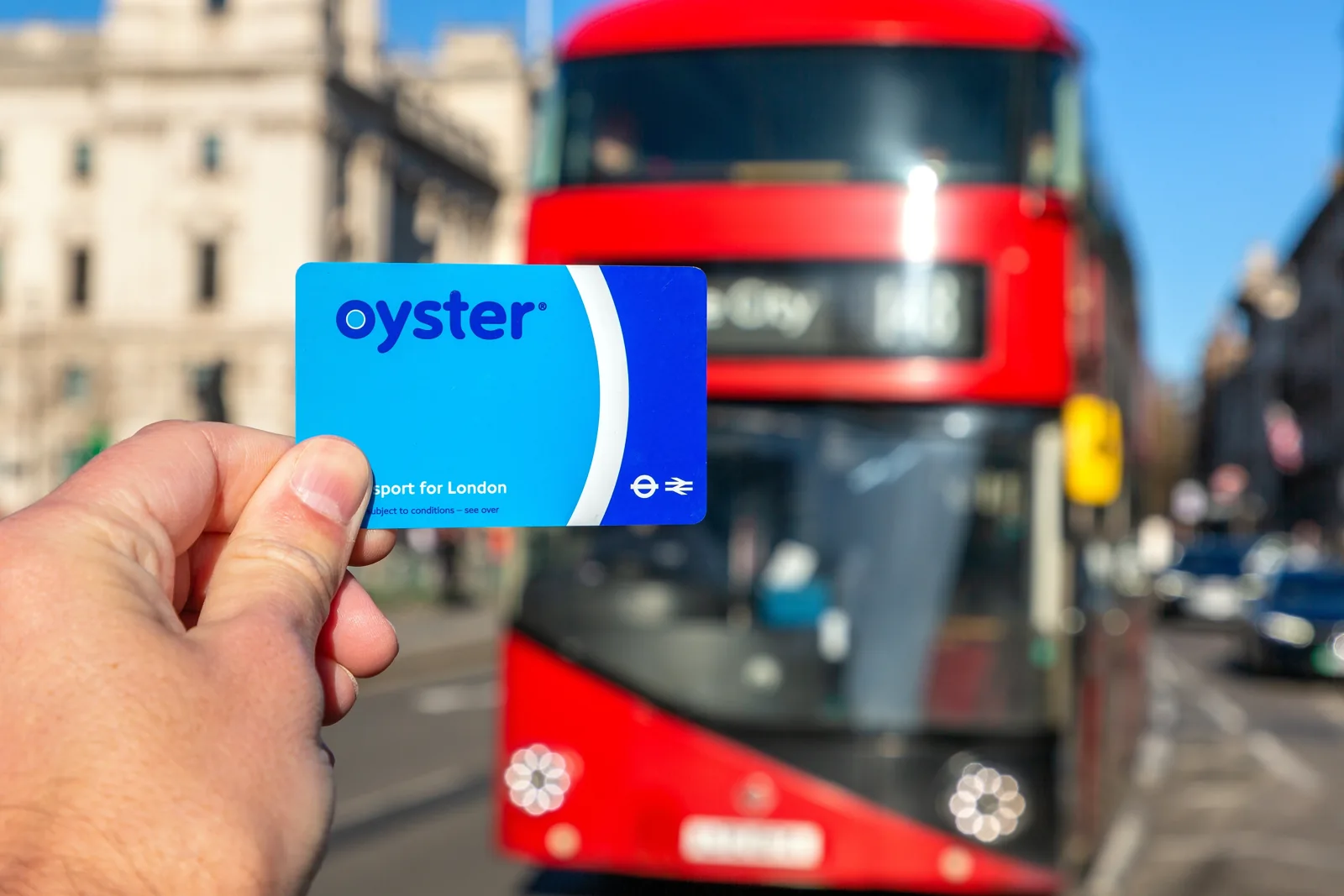
For an adult visitor, London’s main choice is often an Oyster card versus a supported contactless bank card or device. Both can pay as you go, but you should keep one payment method for each person and use it consistently.
Do not switch between your phone and bank card halfway through the day expecting all trips to combine automatically. The system sees different payment media, even if they ultimately charge the same bank account.
Where to buy and add credit
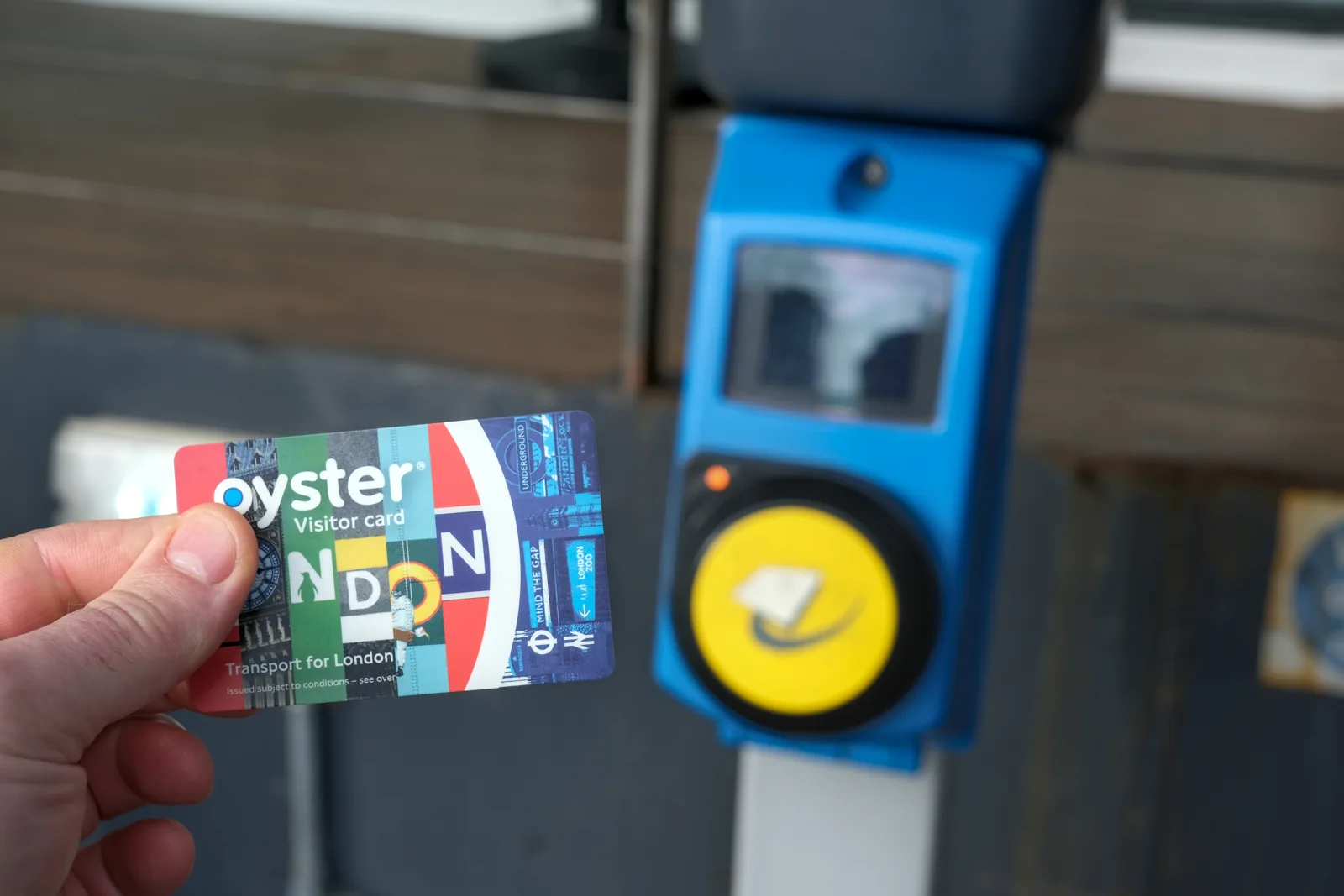
A contactless card may let you begin without buying a separate travel card; check acceptance and your bank’s overseas fees. Oyster is useful when you prefer stored credit or need a discount that staff can apply. Buy and top up through official sales channels.
How to use it
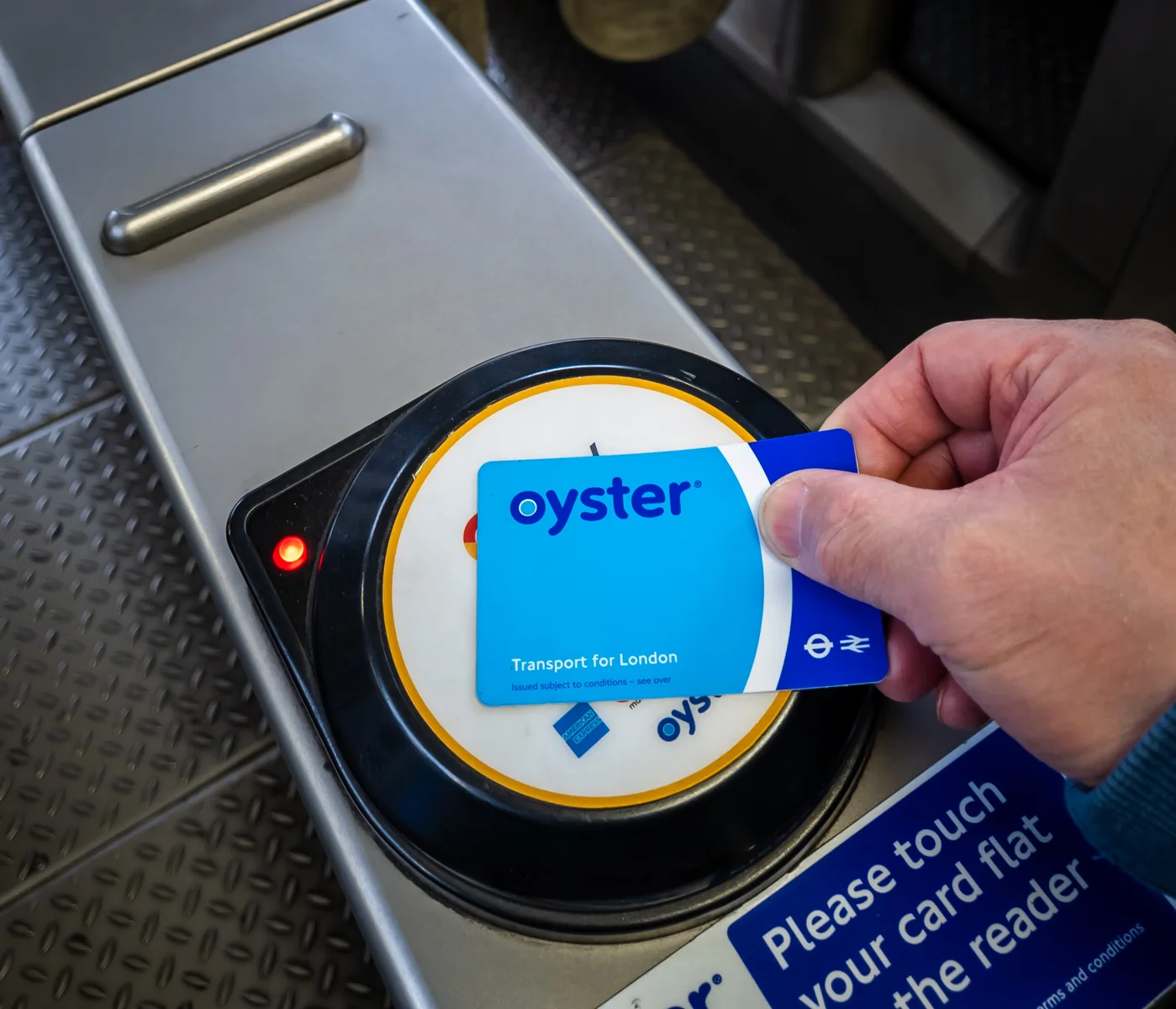
Use the same physical card, phone or watch throughout a journey. The phone version of a card is treated separately from the plastic card. Touch in and out on rail; touch in only on buses and trams. Remove the chosen card from a wallet full of contactless cards.
Fares, card costs and what they mean
Pay-as-you-go caps depend on the zones and services used. A cap is not an all-purpose ticket for every airport service, river trip or attraction. Use TfL’s fare finder for the exact route, and compare children’s eligibility separately from adult fares.
Prices and terms checked on 9 September 2026. The linked operator tariff is the reference for your travel date.
Choose by your actual journeys
Do not switch between your phone and bank card halfway through the day expecting all trips to combine automatically. The system sees different payment media, even if they ultimately charge the same bank account.
| Your plan | What to compare |
|---|---|
| One or two journeys | The ordinary fare against any card purchase cost. |
| Several days of travel | Stored value, eligible transfers and the relevant time-based pass. |
| Airport or regional outing | Its own fare and any explicit exclusions from a city product. |
Avoid buying the same benefit twice
Choose one payment method for a complete rail journey and keep using that same physical card or device. A phone wallet and its underlying plastic card are different payment media at the reader. On buses and trams, follow the tap-in rule rather than copying the rail tap-out pattern.
Oyster or contactless: common questions
Where can I buy transport tickets or a card in London?
A contactless card may let you begin without buying a separate travel card; check acceptance and your bank’s overseas fees. Oyster is useful when you prefer stored credit or need a discount that staff can apply. Buy and top up through official sales channels.
How do I validate my London transport fare?
Use the same physical card, phone or watch throughout a journey. The phone version of a card is treated separately from the plastic card. Touch in and out on rail; touch in only on buses and trams. Remove the chosen card from a wallet full of contactless cards.
What should I check before choosing Oyster or contactless?
Do not switch between your phone and bank card halfway through the day expecting all trips to combine automatically. The system sees different payment media, even if they ultimately charge the same bank account.
Written for planning, with official visitor information linked where relevant. Suggested routes and time allowances are editorial recommendations. Check current entry rules, opening notices and ticket conditions before booking. Read how we prepare and update our guides.