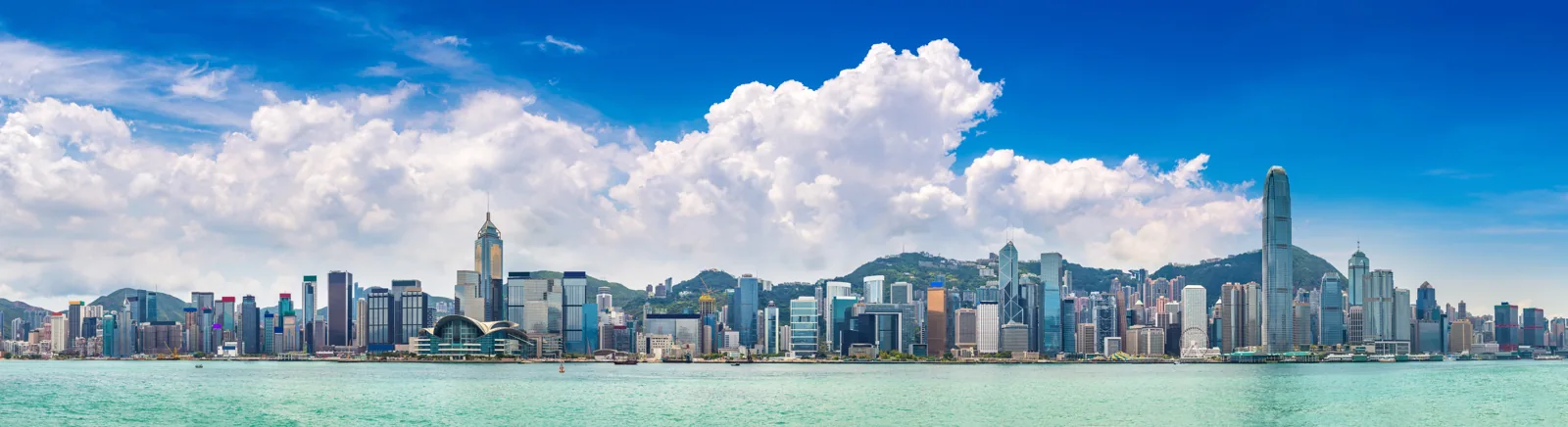
Hong Kong is easy to organise around rail stations, harbour crossings and a few separate island outings. The MTR handles many longer trips, while ferries and street-level transport add a different view of the city.
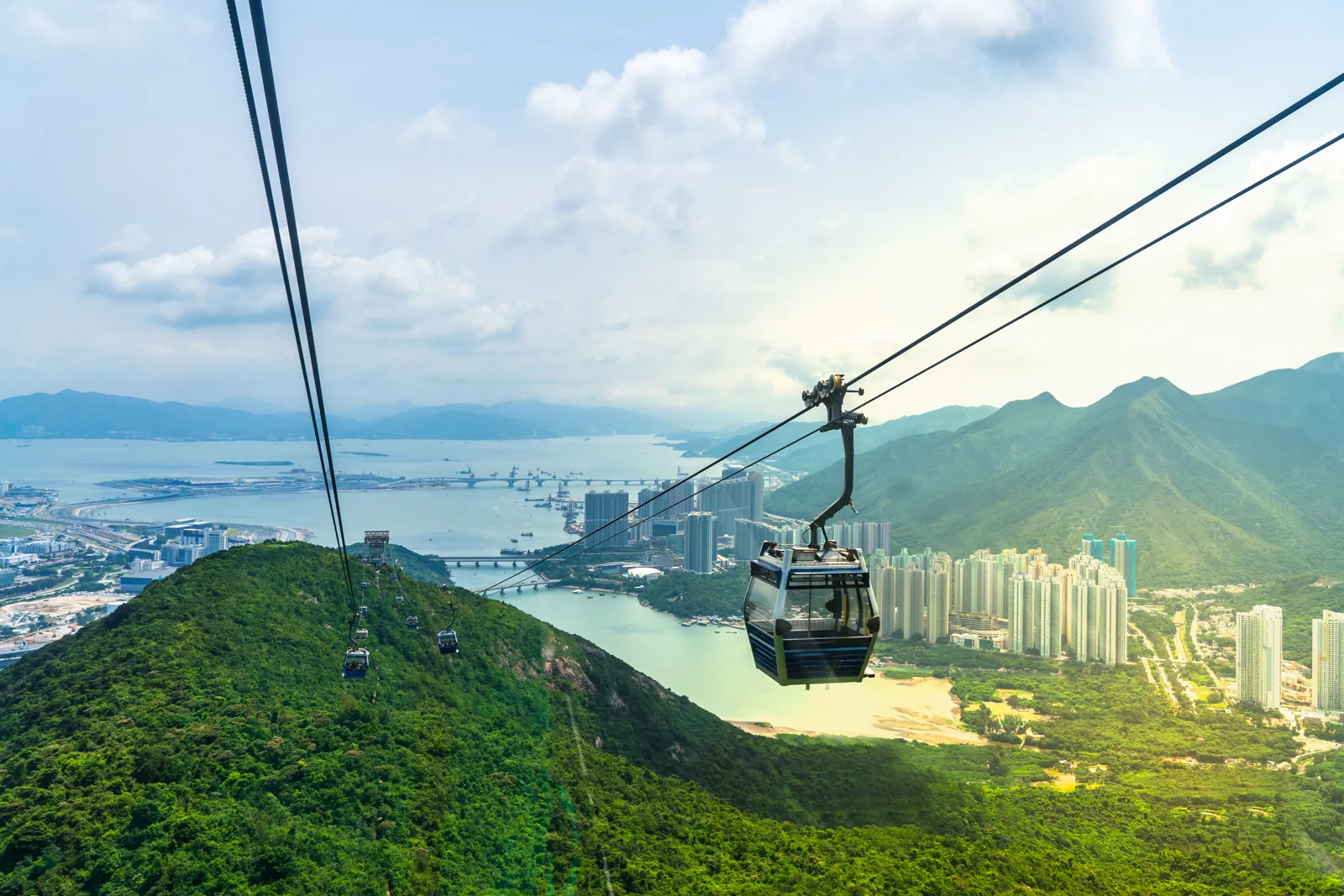
Keep a Kowloon waterfront and market day separate from a Lantau outing. Ngong Ping involves a longer connection and weather-sensitive cable car operation, so it should not be squeezed between two central-city reservations.
Which transport should you use?
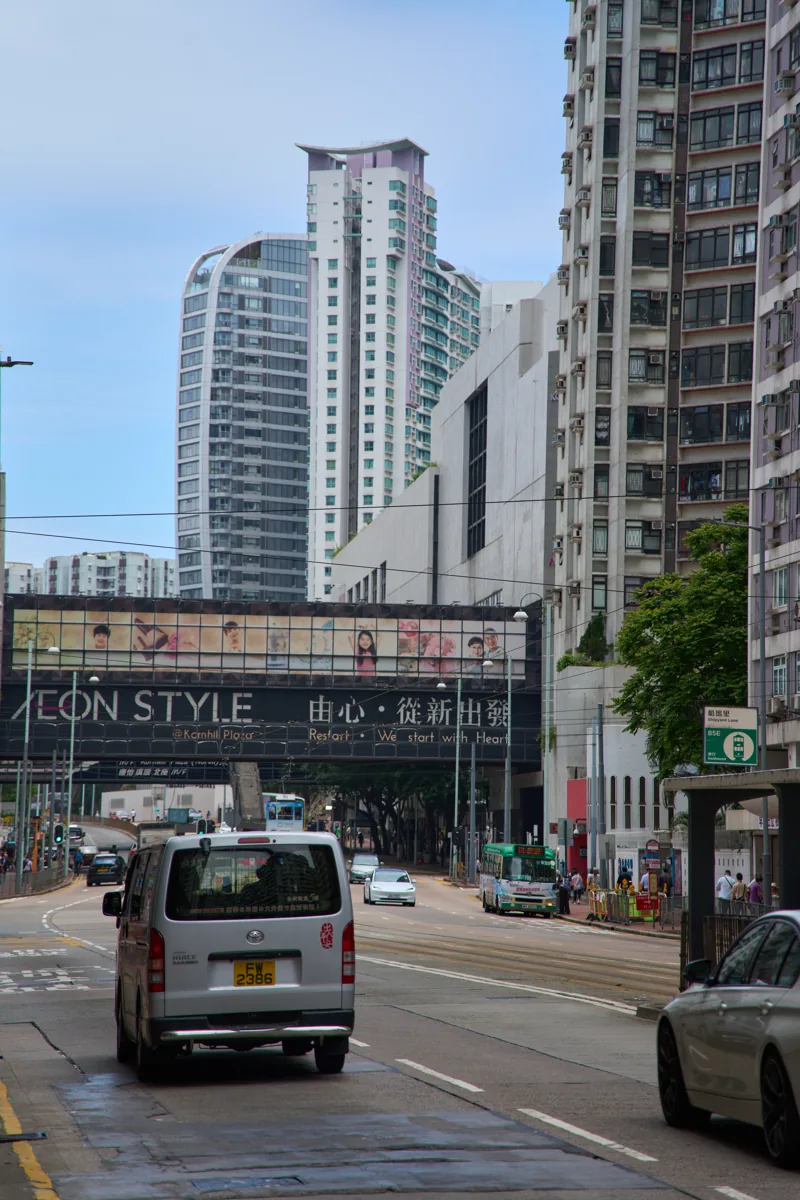
| Transport | Useful for | How to ride |
|---|---|---|
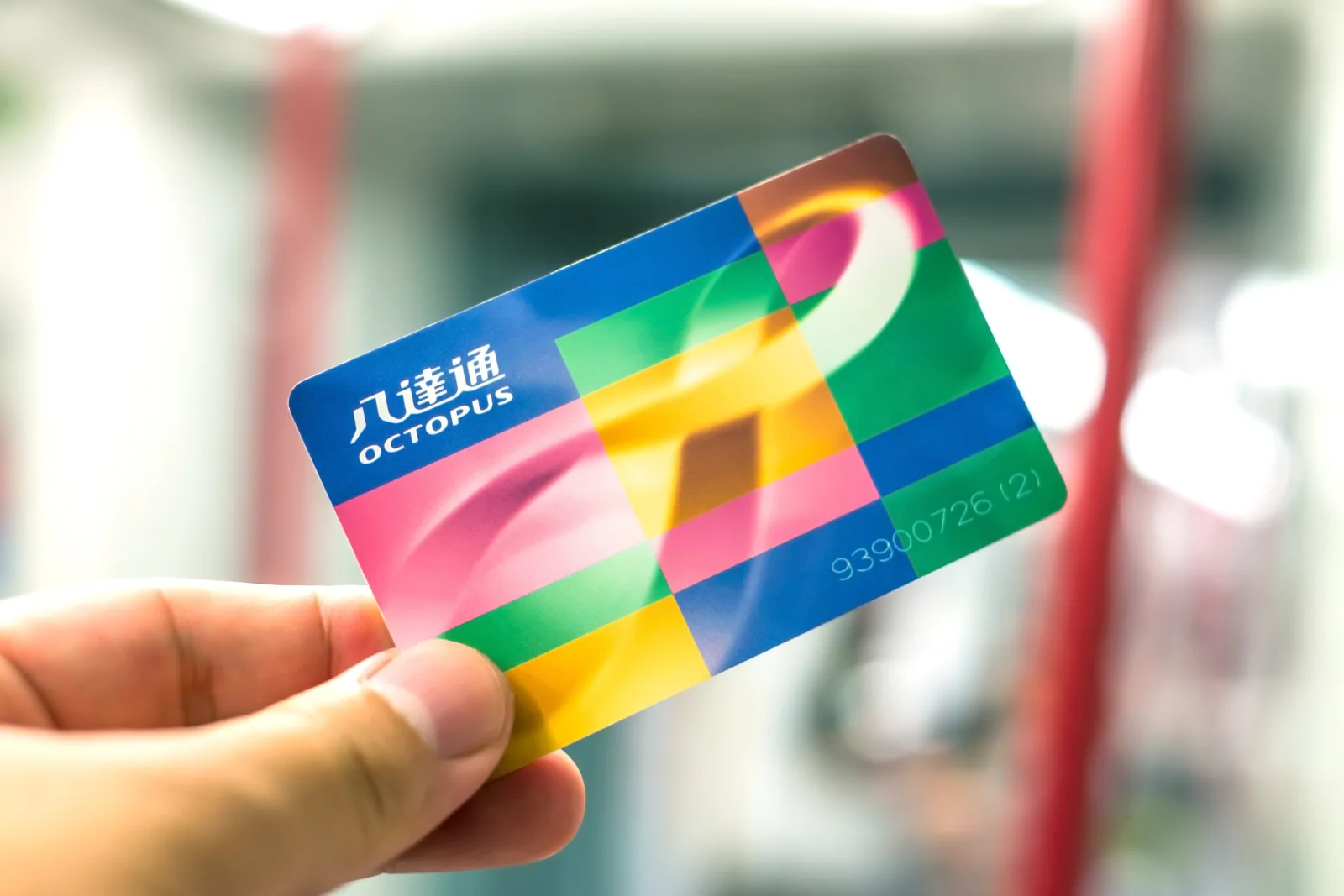
| MTR | Journeys across Hong Kong Island, Kowloon and the New Territories | Use a valid ticket or Octopus; keep it available for the exit. |
| Airport Express | A dedicated airport rail connection | Compare its separate fare with airport buses and your hotel location. |
| Bus and minibus | Neighbourhoods and routes beyond rail | Read the route and destination carefully; payment and stopping conventions vary. |
| Tram | A slower street-level journey on Hong Kong Island | Treat it as a distinct service with its own boarding and fare routine. |
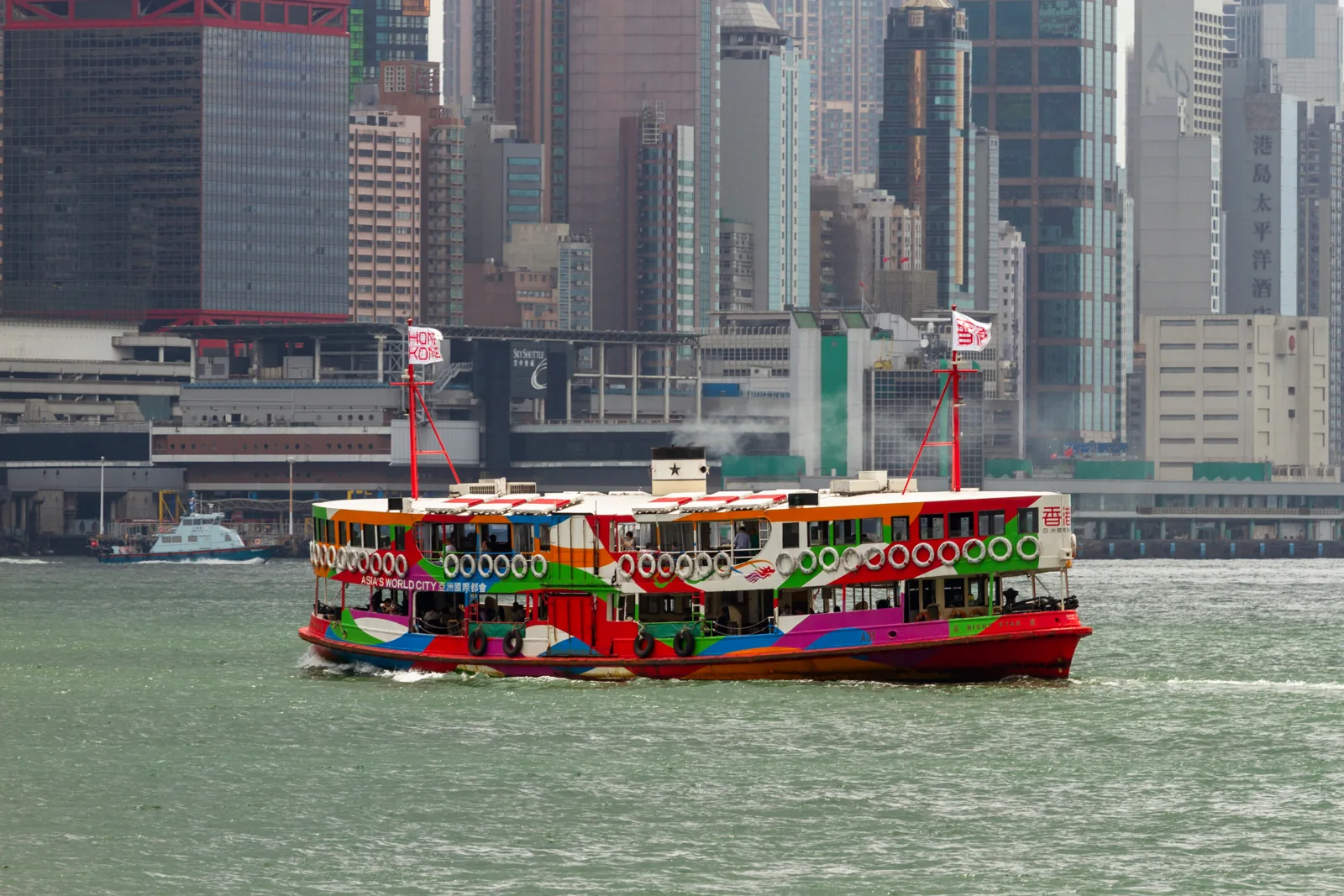
| Star Ferry and other ferries | Harbour crossings and island trips | Select the right pier and service; a local crossing is not a sightseeing cruise. |
First services, last departures and late returns
First and last MTR trains vary by station and line. For the Airport Express, the published June 2026 timetable gives departures from the airport towards the city from 05:54 to 00:48. Do not apply those times to ordinary MTR routes or ferries.
Getting from the airport or terminal
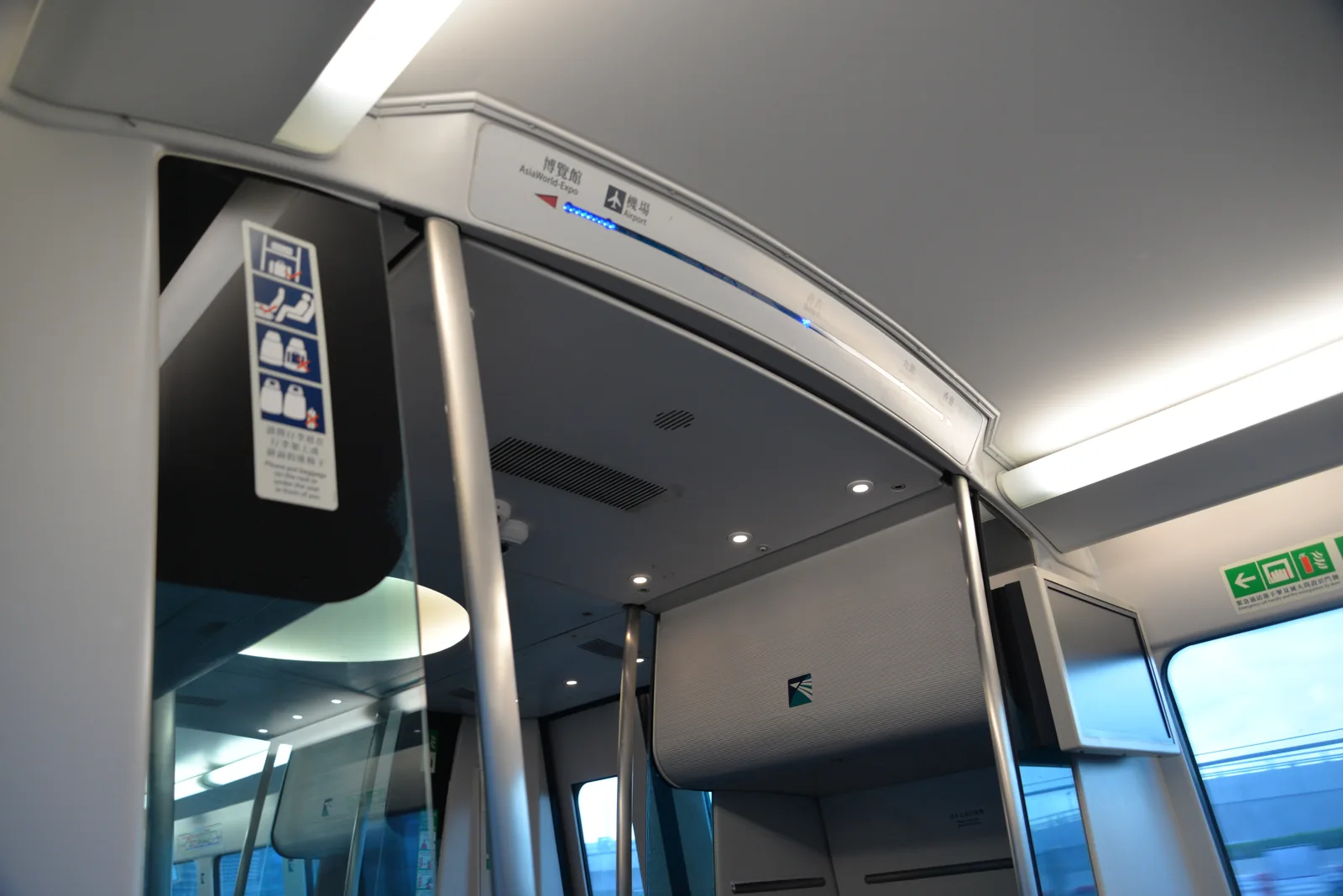
Compare the Airport Express with an airport bus based on the final hotel connection. A fast train to a central station may still leave a transfer with luggage. If arriving late, use the airport’s actual departure time and keep a road-transport alternative.
Build a route that saves backtracking
Keep a Kowloon waterfront and market day separate from a Lantau outing. Ngong Ping involves a longer connection and weather-sensitive cable car operation, so it should not be squeezed between two central-city reservations.
A first-day route in Hong Kong
Combine a harbour crossing with time on the shore where you arrive, rather than immediately returning for another appointment. Give Lantau a separate block from a busy central-island day. Check the final Airport Express connection and any onward journey to your hotel.
Read the Octopus or tourist day tickets guideHow to get around Hong Kong: common questions
What is the best way to get around Hong Kong?
MTR is useful for journeys across Hong Kong Island, Kowloon and the New Territories. Hong Kong is easy to organise around rail stations, harbour crossings and a few separate island outings.
Does public transport in Hong Kong run all night?
First and last MTR trains vary by station and line. For the Airport Express, the published June 2026 timetable gives departures from the airport towards the city from 05:54 to 00:48. Do not apply those times to ordinary MTR routes or ferries.
How should I plan the airport or arrival transfer in Hong Kong?
Compare the Airport Express with an airport bus based on the final hotel connection. A fast train to a central station may still leave a transfer with luggage. If arriving late, use the airport’s actual departure time and keep a road-transport alternative.
Written for planning, with official visitor information linked where relevant. Suggested routes and time allowances are editorial recommendations. Check current entry rules, opening notices and ticket conditions before booking. Read how we prepare and update our guides.