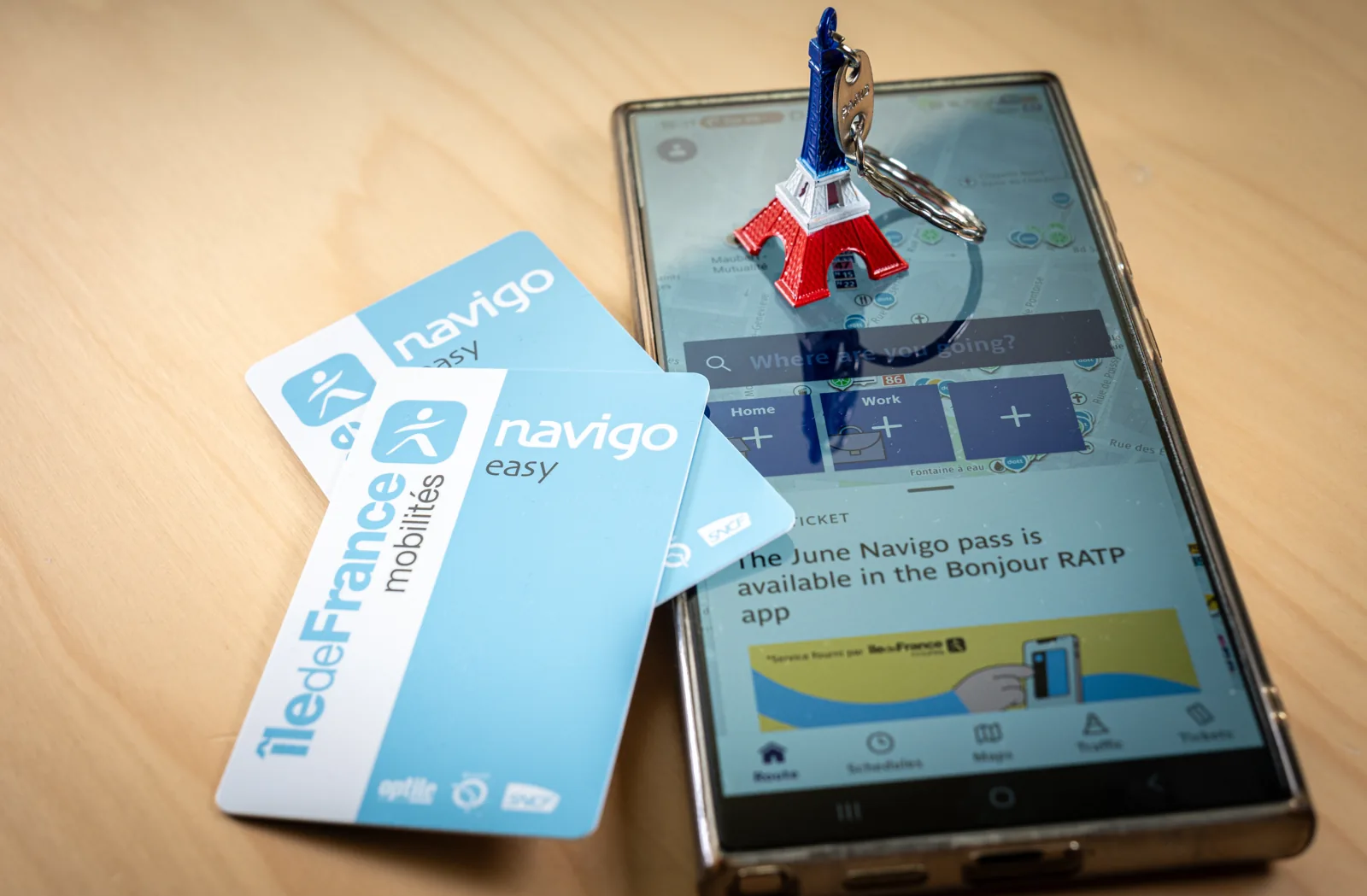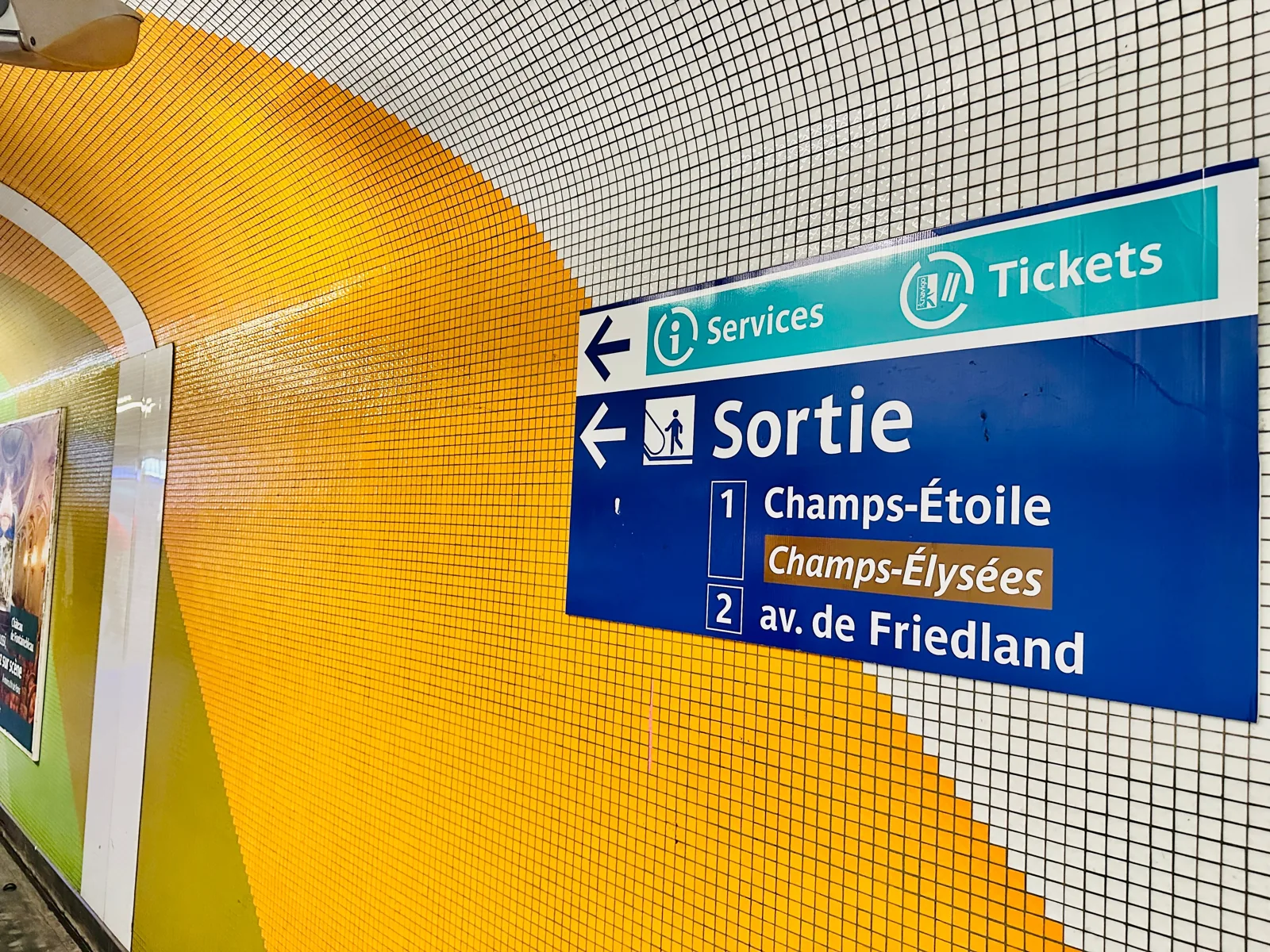
For a first trip to Paris, combine the Métro or RER for longer journeys with walking around each sightseeing area. The key payment distinction is between ordinary rail, ordinary bus/tram and airport travel. This guide explains the routes and transfer rules; the linked Navigo guide covers buying and loading tickets.
For 2026, an adult single rail ticket is €2.55, an ordinary Bus-Tram ticket €2.05 and the covered airport rail ticket €14. Buy for your actual route; transfers and airport access have different rules.
Paris public transport prices: match the ticket to the journey
The adult single fares below are the published 2026 prices, checked on 14 September. A rail journey and a bus journey use different tickets; an airport rail journey has its own fare. These are transport fares, not attraction admissions.
| Journey type | Adult single fare | What to buy |
|---|---|---|
| Métro, train or RER, excluding airports | €2.55 | Métro-Train-RER ticket |
| Ordinary bus or tram | €2.05 | Bus-Tram ticket; express services have different rules |
| Covered rail journey to or from CDG or Orly | €14 | Paris Région ↔ Aéroports ticket |
Do you need another ticket when changing trains or buses?
For a rail-to-rail connection, follow correspondance signs and remain inside the paid area. The standard rail ticket allows eligible transfers within two hours. Going outside for a café stop and entering again normally starts another paid journey; a few officially designated street-level connections are exceptions.
The ordinary Bus-Tram ticket allows eligible bus/tram connections within 90 minutes, without a return trip or a break in the journey. A Métro journey followed by an ordinary bus requires the relevant ticket for each network when using single tickets.
A practical example: two separate Métro journeys plus one ordinary bus journey cost €7.15 at these full single fares. That is €2.55 + €2.55 + €2.05, before any physical card purchase. Count paid journeys, not the number of trains you board during a valid connection.
A Paris sightseeing day with fewer unnecessary journeys
Our suggested pattern is one booked visit, a nearby meal and a flexible walk. For a Louvre day, keep the Tuileries and the Seine walk together instead of crossing Paris for lunch and coming straight back. Give the Eiffel Tower its own neighbourhood block if it is on a different reservation.
Write down the entrance named on your museum confirmation before choosing a station exit. At the end of the day, check your actual return route in the official journey planner: a station name alone does not tell you which platform, direction or final connection you need.
Plan a Louvre visit and its entry arrangementsWhich transport should you use?
| Transport | Useful for | How to ride |
|---|---|---|
| Métro | Trips within Paris and nearby suburbs | Load the right ticket before the gates; follow the line number and direction. |
| RER and suburban trains | Longer crossings, Versailles and airport connections | Keep the ticket or phone available until the exit gates; airport fares are separate. |
| Bus and tram | Street-level trips and shorter connections | Validate on boarding; a Métro-Train-RER ticket is not a Bus-Tram ticket. |
| Noctilien night buses | Journeys after the daytime rail service | Check the exact stop and night route; it may differ from the daytime journey. |
| Walking and cycling | Neighbourhood exploration | Allow for crossings and protected cycle routes rather than measuring only straight-line distance. |
First services, last departures and late returns
Métro service generally begins around 05:30. RATP describes service ending around 01:15 on ordinary nights, with later weekend and pre-holiday operation; last departures from a terminus occur earlier. Check the actual station and direction when travelling late.
Getting from the airport or terminal
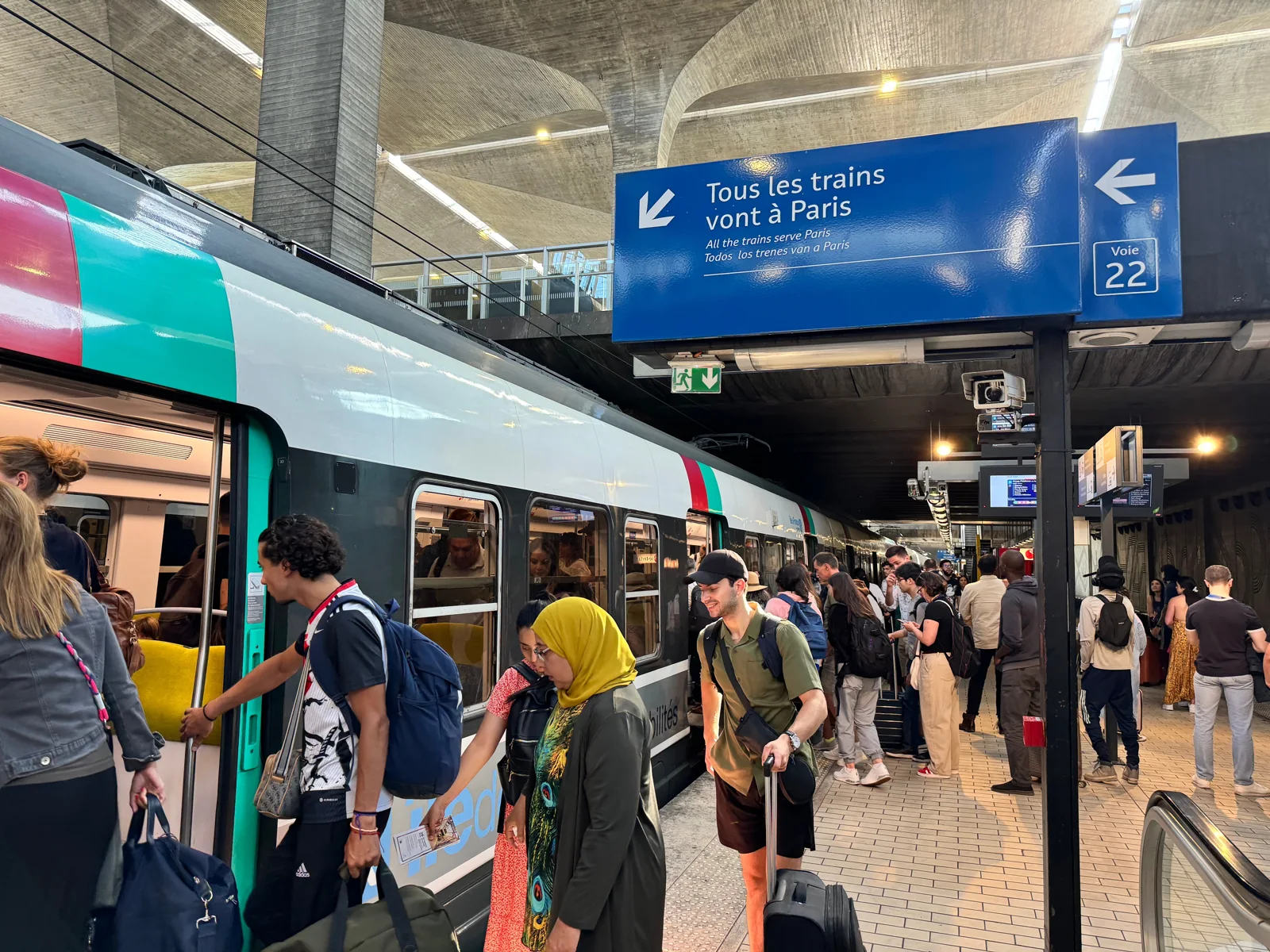
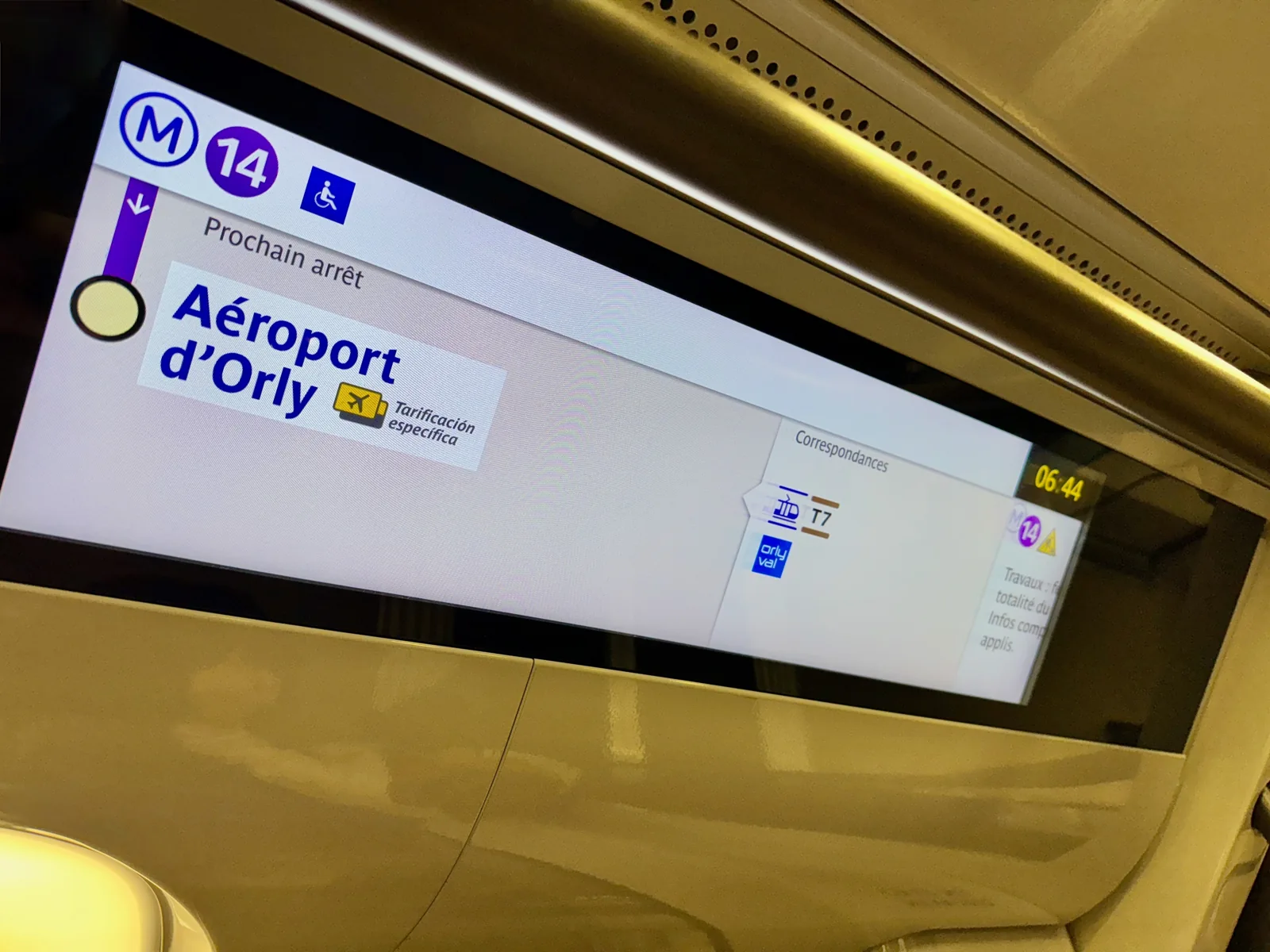
Charles de Gaulle, Orly and Beauvais need different airport plans. Choose a ticket explicitly valid for your airport journey and allow for the final change to your hotel. A city rail ticket at the standard fare should not be assumed to cover an airport train.
Build a route that saves backtracking
Pair the Louvre with central Paris and the Seine, then reserve a separate block for the Eiffel Tower or Versailles. If an itinerary repeatedly crosses the city, rearranging it may save more time than buying a different transport pass.
Keep these places for later

How to get around Paris: common questions
Can I use the same ticket for the Paris Métro and bus?
With ordinary single tickets, use a Métro-Train-RER ticket for rail and a Bus-Tram ticket for an ordinary bus. A pass may cover both; check its exclusions, especially airport travel.
What is the best way to get around Paris?
Métro is useful for trips within Paris and nearby suburbs. Paris works best when you combine rail for longer journeys with walking within a neighbourhood.
Does public transport in Paris run all night?
Métro service generally begins around 05:30. RATP describes service ending around 01:15 on ordinary nights, with later weekend and pre-holiday operation; last departures from a terminus occur earlier. Check the actual station and direction when travelling late.
How should I plan the airport or arrival transfer in Paris?
Charles de Gaulle, Orly and Beauvais need different airport plans. Choose a ticket explicitly valid for your airport journey and allow for the final change to your hotel. A city rail ticket at the standard fare should not be assumed to cover an airport train.
Written for planning, with official visitor information linked where relevant. Suggested routes and time allowances are editorial recommendations. Check current entry rules, opening notices and ticket conditions before booking. Read how we prepare and update our guides.