Rome’s everyday food is one reason to leave gaps between attractions. Plan a simple lunch and a relaxed dinner, and try dishes in the neighbourhood you are already exploring instead of travelling across the city for every meal.
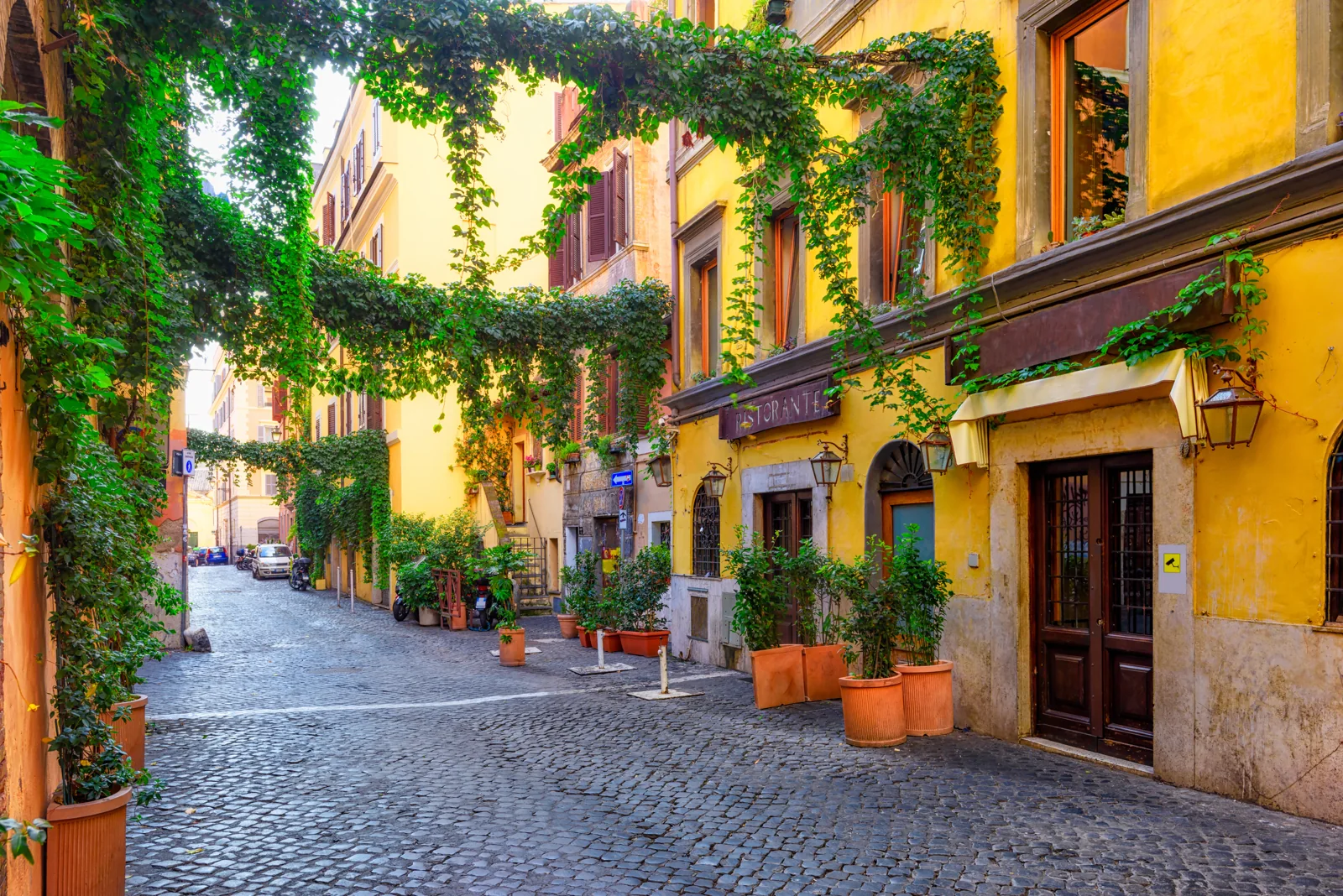
Use Monti for a meal around an ancient-Rome day, or save Trastevere and Testaccio for a food-focused evening. The tourism board highlights these traditional dining areas; our suggestion is to choose one, walk it slowly and avoid squeezing another timed attraction after dinner.
Dishes to start with
Our starting suggestions for a varied first visit.
| Try | What to expect | How to fit it in |
|---|---|---|
| Carbonara, gricia or cacio e pepe | Choose a Roman pasta according to the ingredients you enjoy. | Ask about cheese and pork before ordering; these recipes are not interchangeable for dietary needs. |
| Supplì and pizza al taglio | Rice croquettes and sliced pizza make a flexible light meal. | Check whether the price is per piece or by weight. |
| Artichokes and seasonal vegetables | Traditional preparations offer a different side of the menu. | Availability and cooking style vary; ask what is in season. |
A food route that fits your day
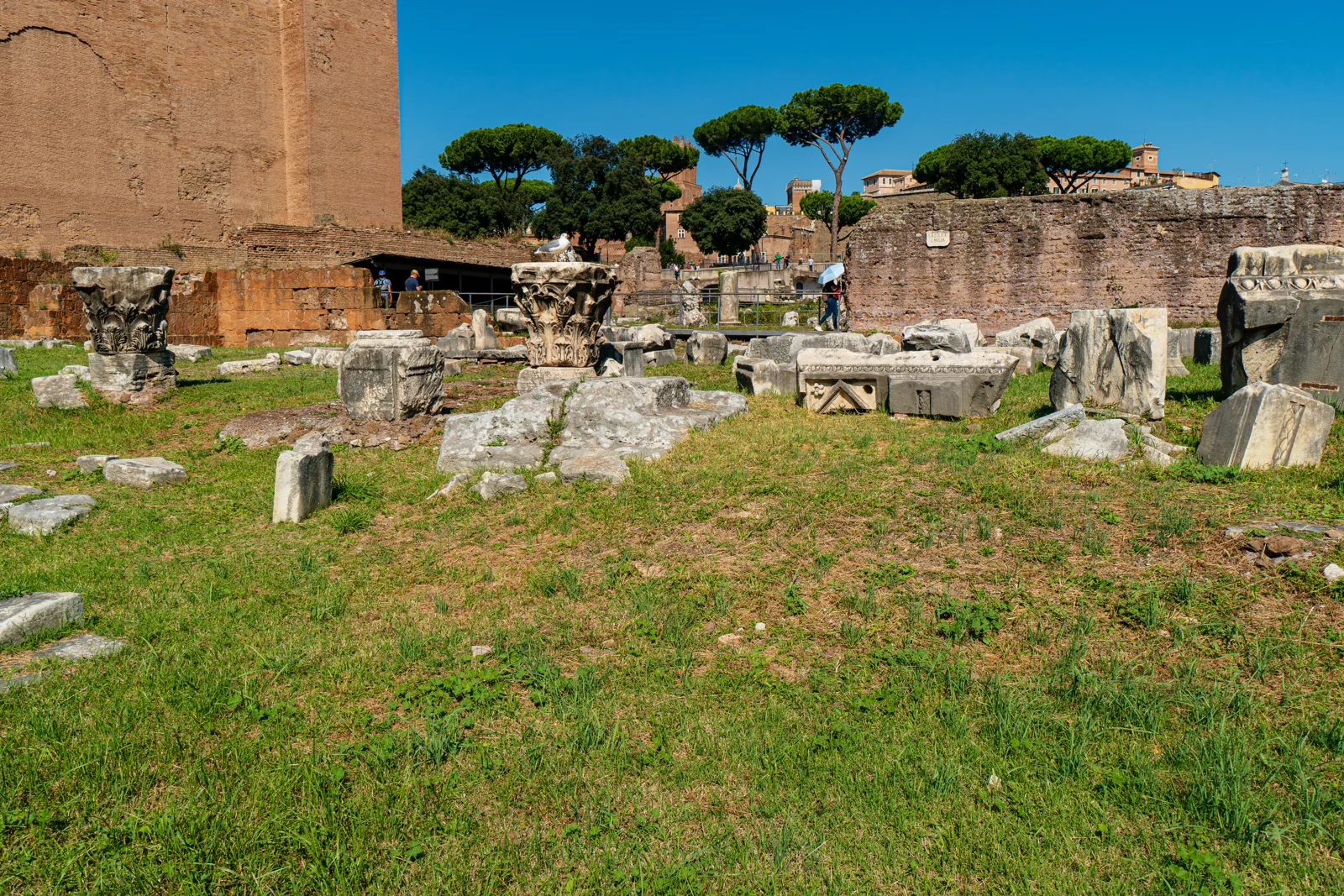
Use Monti for a meal around an ancient-Rome day, or save Trastevere and Testaccio for a food-focused evening. The tourism board highlights these traditional dining areas; our suggestion is to choose one, walk it slowly and avoid squeezing another timed attraction after dinner.
Ordering, portions and dietary needs
Ask about the portion and any bread or service charge before ordering. A food tour is useful if you want help with dishes and neighbourhood context, but compare the number of tastings, drinks and walking distance. It should replace part of your meal budget rather than sit invisibly on top of it.
Food tour or your own walk?
A supplì or pizza-by-the-slice stop suits a walking day; a pasta meal deserves a longer pause. Keep a Trastevere dinner on a day when the journey home is comfortable. Ask about ingredients in sauces rather than assuming every simple-looking pasta is vegetarian.
| Your own food stops | A guided tasting experience |
|---|---|
| Flexible timing and appetite | A fixed start and a planned sequence of tastings. |
| Pay only for what you order | A stated package, with any extras checked in advance. |
| Choose venues as you walk | Guidance can help with unfamiliar dishes and local context. |
What to eat in Rome: common questions
What food should I try in Rome?
Our first-visit suggestions include Carbonara, gricia or cacio e pepe, Supplì and pizza al taglio and Artichokes and seasonal vegetables. Ask about the portion and any bread or service charge before ordering.
How can I fit food stops into a Rome sightseeing day?
Use Monti for a meal around an ancient-Rome day, or save Trastevere and Testaccio for a food-focused evening. The tourism board highlights these traditional dining areas; our suggestion is to choose one, walk it slowly and avoid squeezing another timed attraction after dinner.
Does a food tour replace a meal?
Sometimes, but the number and size of tastings matter. Read the menu or ask the organiser rather than assuming every tasting walk is a full dinner.
Written for planning, with official visitor information linked where relevant. Suggested routes and time allowances are editorial recommendations. Check current entry rules, opening notices and ticket conditions before booking. Read how we prepare and update our guides.