Use the metro for longer hops and walk between nearby sights in Rome’s historic centre. Start with the places you want to visit, then choose the station and entrance that actually suit your route.
Group nearby sights before buying a pass: Colosseum and the Forum together, Vatican sights together, and the historic centre as a walking cluster. The ticket guide below handles fares and pass comparisons.
Rome metro stops for a first sightseeing trip
Use the metro to reach an area, then compare the final walk with a bus connection. These station choices are starting points from the official network map, not promises about live service or the closest accessible entrance. Check disruptions on your travel day.
| Your sightseeing area | Station to start with | Planning detail |
|---|---|---|
| Colosseum and Roman Forum | Colosseo, line B / Colosseo–Fori Imperiali, line C | Use the entrance on your attraction confirmation, not any nearby gate |
| Vatican area | Ottaviano or Cipro, line A | The museums and St Peter’s Basilica have different entrances |
| Spanish Steps | Spagna, line A | Combine nearby streets on foot instead of repeating metro trips |
| Arrival at Roma Termini | Termini, lines A and B | Allow time to walk from the rail platform to the metro |
How to pay on Rome buses with Tap & Go
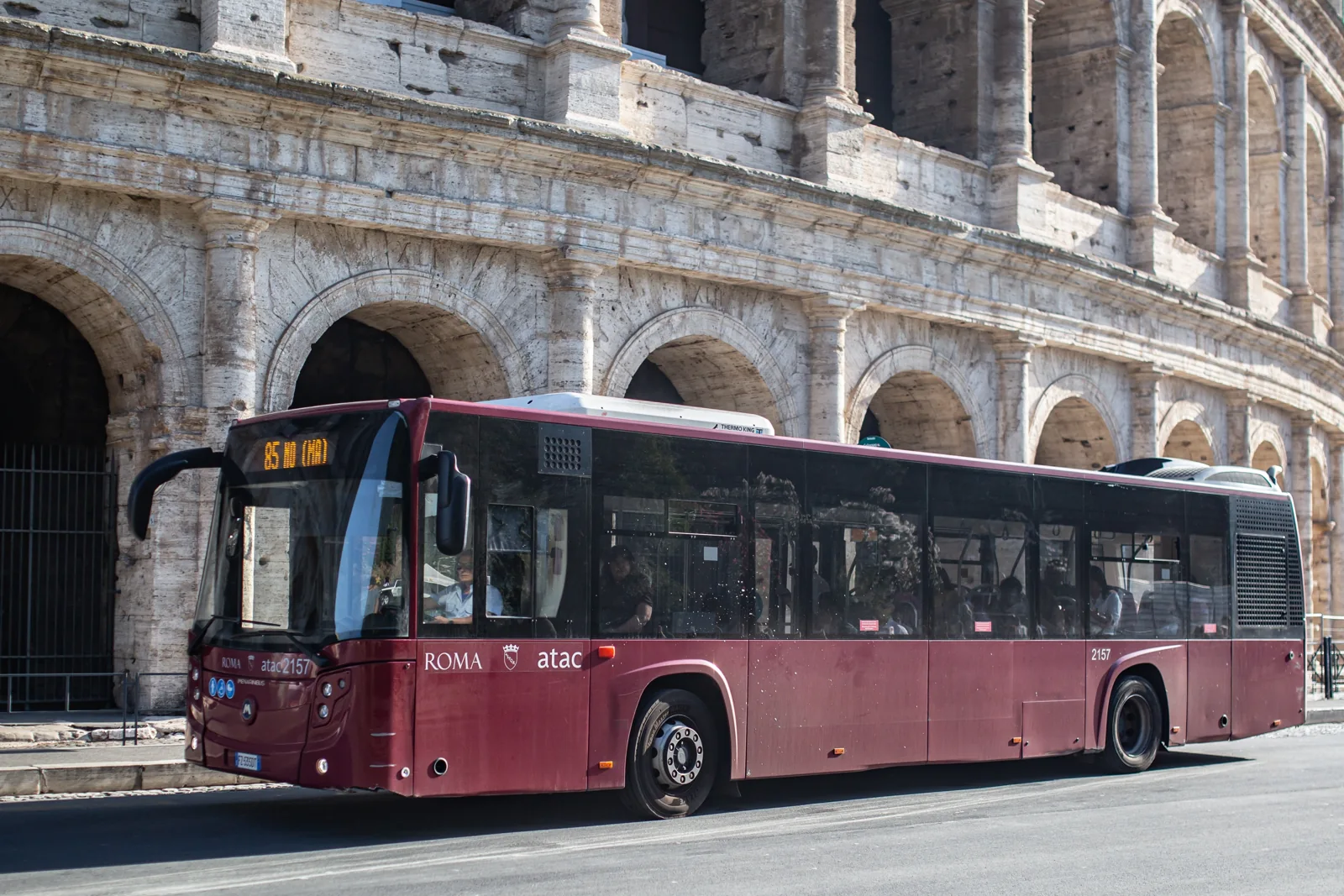
On ATAC buses, tap a supported contactless card or device and wait for the green confirmation. Tap again whenever you change vehicles, even during a valid transfer; an eligible transfer tap does not mean a second fare. Present the card or device used for validation if an ATAC inspector asks.
Read Rome transport card and ticket rulesA first day in Rome without crossing the city twice
Our sample route starts near Termini. Take metro B to Colosseo for a timed Colosseum visit, then keep the Forum and nearby outdoor sights together. After lunch, choose a central walking route rather than adding the Vatican to an already full ancient-Rome day.
Save Vatican Museums and St Peter’s for a separate cluster. Ottaviano can suit St Peter’s; compare Ottaviano and Cipro for the exact Vatican Museums entrance. Booking confirmation addresses take priority over a generic map pin.
When should you walk, take the metro or use a bus?
These are planning suggestions, not fixed journey times. Your hotel, mobility needs, heat and the day’s service changes can alter the best choice.
| Journey or plan | Start with | Why |
|---|---|---|
| Termini to the Colosseum | Metro B to Colosseo | A straightforward longer hop before walking nearby |
| Pantheon, Piazza Navona and Trevi area | A walking cluster | Check your route between nearby historic-centre sights |
| A hotel away from the metro | A bus route with live departure information | Compare the stop location and final walk |
| Luggage or step-free access | The complete accessible route | Check lifts, changes and station exits before leaving |
What ticket do I need for Rome public transport?
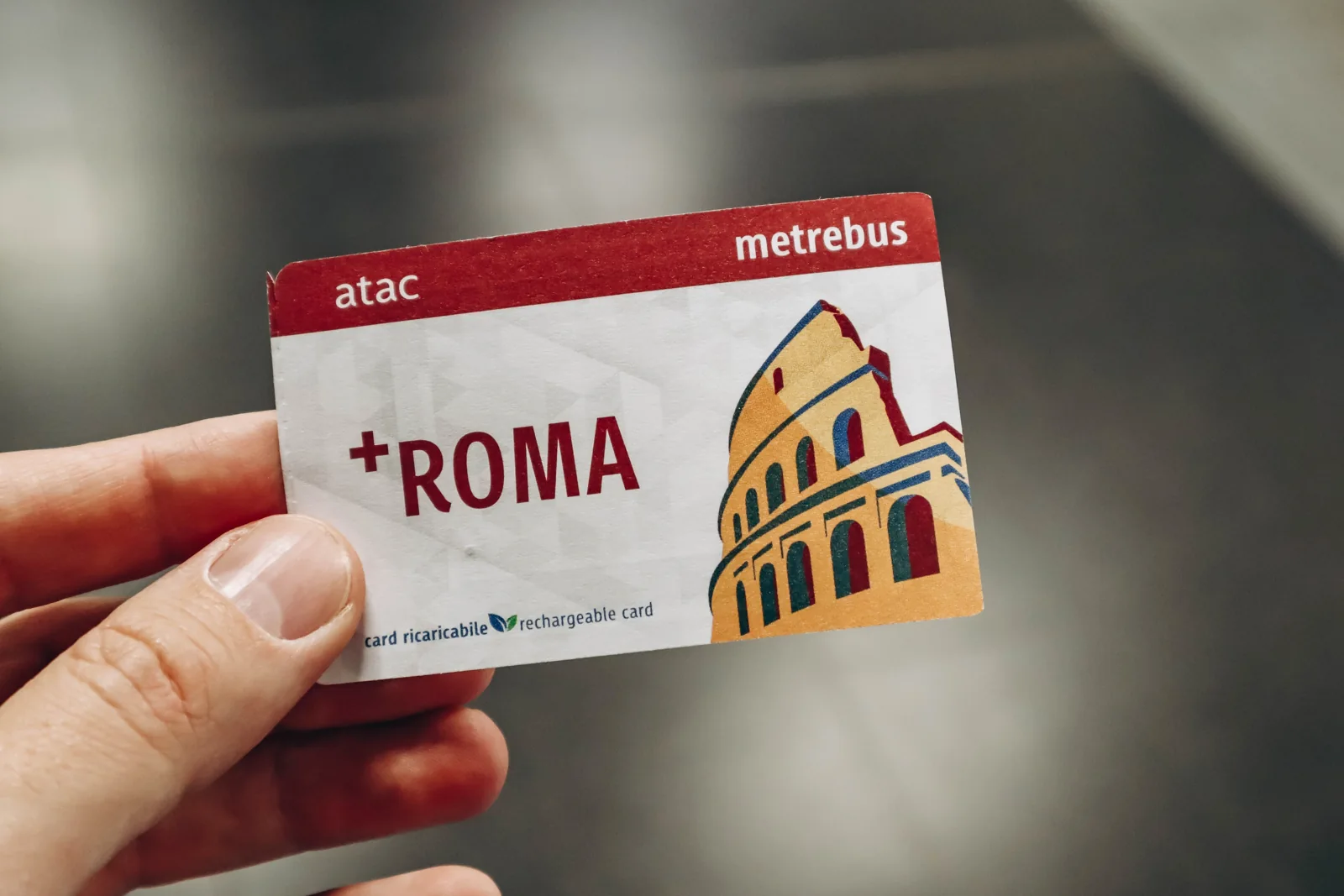
An ordinary BIT costs EUR 1.50. A time-based pass can suit heavier use, but several short walks may make single fares cheaper. Use the separate ticket guide for the current 24/48/72-hour prices, worked cost examples and validation rules.
Compare BIT, 24-, 48- and 72-hour ticketsAirport arrivals: plan the next leg too
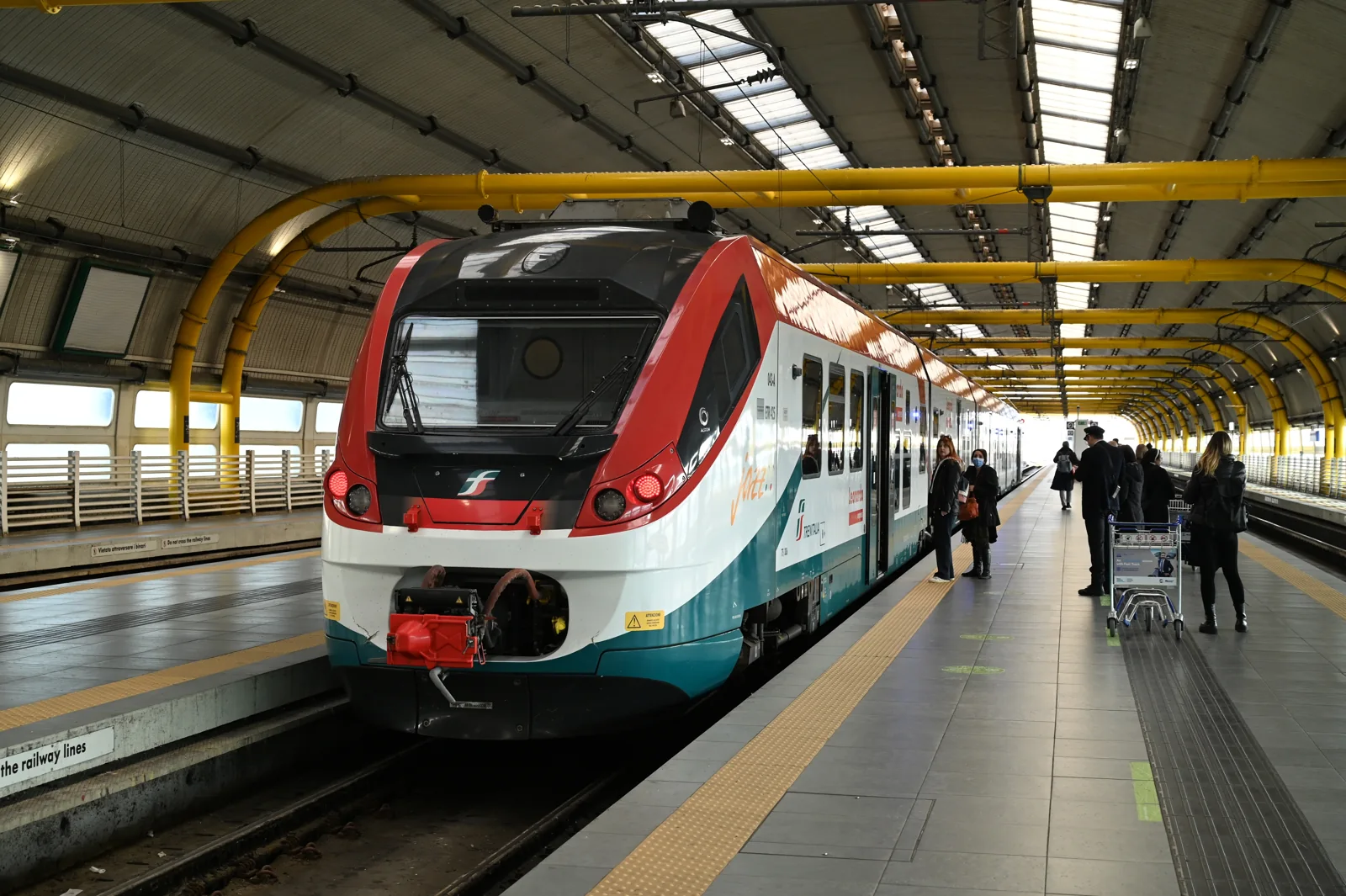
Fiumicino and Ciampino need different arrival plans. Save the airport connection, then the route from its city stop to your hotel. A ticket to Termini does not automatically cover the next metro journey.
Read the Rome airport transfer guideBefore leaving your hotel
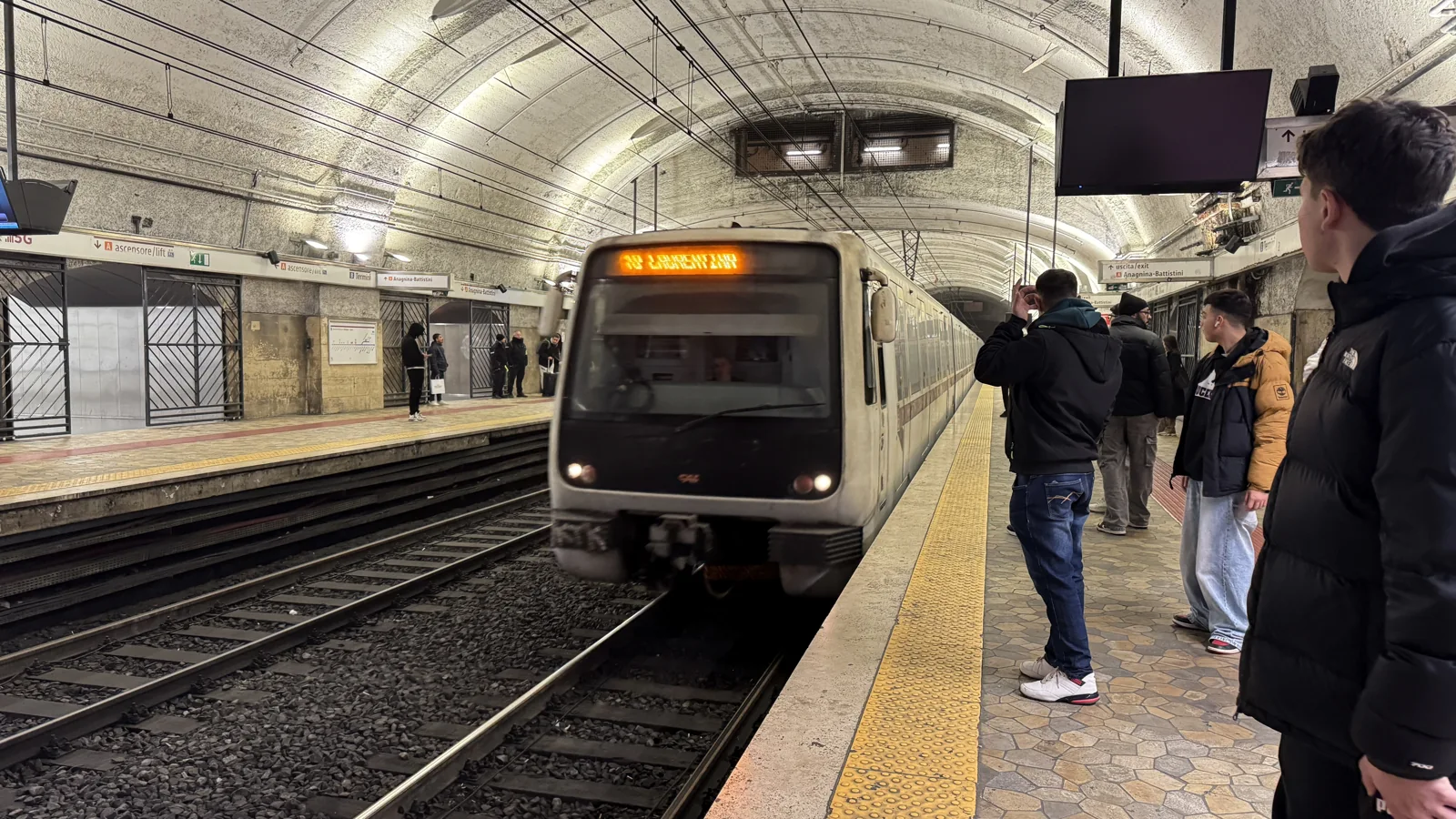
Save the exact attraction entrance, check current ATAC service notices and leave room for the last walk. For an evening return, check the final departure and every connection. A map showing a line does not confirm that it is operating normally today.
First services, last departures and late returns
Published city metro information gives 05:30–23:30 Sunday to Thursday, with service until 01:30 on Friday and Saturday. Engineering work can alter individual lines. Check the live service notice and your last connection before relying on a late return.
Keep these places for later
How to get around Rome: common questions
Does a Rome public transport ticket cover Fiumicino airport?
Do not use an urban BIT or Roma day ticket for the Leonardo Express. Choose the airport connection separately, then the city journey from its arrival station.
Can I pay by card on Rome buses?
On ATAC buses, tap a supported contactless card or device and wait for the green confirmation. Tap again whenever you change vehicles, even during a valid transfer; an eligible transfer tap does not mean a second fare. Present the card or device used for validation if an ATAC inspector asks.
What is the best way to get around Rome?
Metro is useful for longer journeys and connections to major sightseeing areas. Rome’s historic centre is rewarding on foot, with the metro and buses filling the larger gaps.
Does public transport in Rome run all night?
Published city metro information gives 05:30–23:30 Sunday to Thursday, with service until 01:30 on Friday and Saturday. Engineering work can alter individual lines. Check the live service notice and your last connection before relying on a late return.
How should I plan the airport or arrival transfer in Rome?
Fiumicino and Ciampino have different transport choices. Compare airport rail or coach tickets separately from the urban BIT or day pass, and check the final journey from the arrival station to your accommodation.
Written for planning, with official visitor information linked where relevant. Suggested routes and time allowances are editorial recommendations. Check current entry rules, opening notices and ticket conditions before booking. Read how we prepare and update our guides.